Understanding Deepfake Technology in Meetings
In the rapidly evolving landscape of technology, the advent of deepfake technology has raised pressing questions about security, trust, and authenticity in virtual meetings. Deepfakes, which combine advanced artificial intelligence and machine learning techniques to create hyper-realistic fake media, are increasingly making their way into the business environment, posing significant challenges. As organizations pivot toward remote work and virtual interactions, understanding and mitigating the risks associated with deepfakes becomes imperative. When exploring options, Deepfake protected meetings can provide comprehensive insights into safeguarding your digital discussions against these emerging threats.
What Are Deepfakes and Their Implications?
Deepfakes are synthetic media wherein a person’s likeness is replaced with that of another, typically using sophisticated algorithms. This technology can produce video, audio, or even text that appears authentic to the naked eye or ear. The implications of deepfakes are profound, influencing not just the realm of entertainment but also the corporate world. The potential for misuse is vast—companies can face reputational damage, financial loss, and legal repercussions if deepfake technology is wielded maliciously against them.
How Deepfake Technology Works
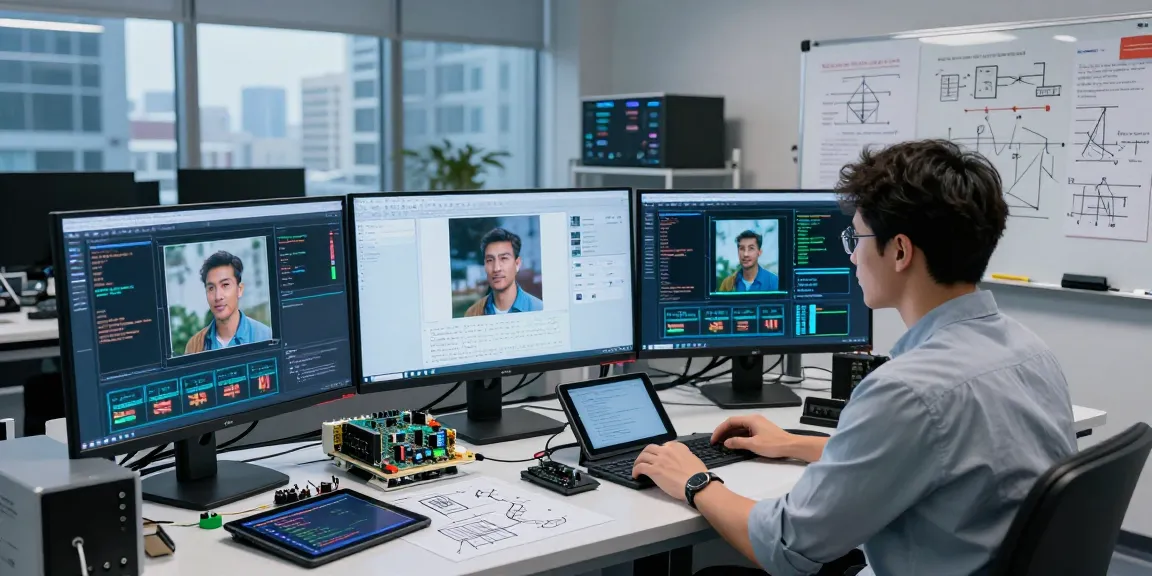
At the core of deepfake technology are neural networks, particularly Generative Adversarial Networks (GANs). These systems work by pitting two algorithms against each other: one generates fake content while the other evaluates its authenticity. Over time, this competition refines the output, resulting in increasingly realistic deepfakes. With the integration of facial recognition and voice synthesis, the realism achieved by deepfakes has reached troubling levels, making it difficult to distinguish between the real and the fabricated.
Common Misconceptions About Deepfakes
Despite growing awareness, misconceptions about deepfakes persist. A prevalent belief is that deepfakes are solely used for malicious purposes. While indeed they have been weaponized in various contexts, many creative applications exist, such as in film and art. Another misconception is that deepfakes require extensive technical knowledge to produce. While sophisticated examples may necessitate advanced skills, many user-friendly tools simplify the creation of deepfakes, potentially democratizing the technology for malicious intents.
Identifying Risks in Virtual Meetings
As organizations increasingly rely on virtual meetings to conduct business, identifying the risks posed by deepfakes is essential. These risks can broadly impact trust and security within corporate communications, leading to decisions that could compromise organizational integrity.
Assessing Threats Posed by Deepfakes
The threats posed by deepfakes in virtual meetings are multi-faceted. First and foremost, they can undermine trust among team members and stakeholders. A deepfake impersonating a corporate leader could orchestrate unauthorized meetings, leaking sensitive information or pushing through fraudulent agendas. Additionally, deepfake technology can facilitate social engineering attacks, tricking employees into revealing sensitive information under the guise of authority.
Challenges in Authenticating Participants
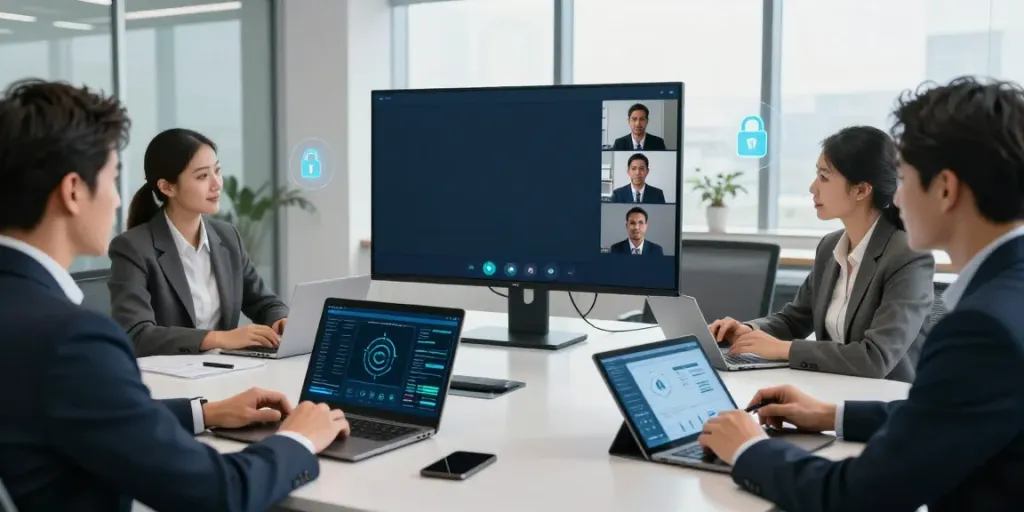
Effective authentication of meeting participants is a cornerstone of secure virtual environments. However, deepfakes complicate this process significantly. Traditional authentication methods, such as video conferencing tools that rely on visual recognition, may not suffice against sophisticated deepfakes. Organizations must innovate to develop more robust authentication strategies that can differentiate between genuine and altered identities.
Recognizing Deepfake Red Flags
To safeguard against deepfakes, it is crucial to recognize key red flags. These include:
- Inconsistent facial movements or mismatched lip-syncing.
- Unnatural expressions or reactions during discussions.
- Audio quality that does not match the visual presentation.
- Discrepancies in background settings that do not align with known environments.
By training teams to observe these signs, organizations can enhance their defenses against potential deepfake intrusions.
Implementing Deepfake Mitigation Strategies
To effectively mitigate the risks associated with deepfakes, organizations should adopt comprehensive strategies that encompass both technology and human factors. This multifaceted approach is essential in creating a resilient meeting environment.
Best Practices for Securing Virtual Meetings
Establishing best practices is fundamental for securing virtual meetings. These include:
- Utilizing multi-factor authentication (MFA) to verify participant identities.
- Implementing end-to-end encryption for all virtual communications.
- Regularly updating software and security protocols to address vulnerabilities.
- Conducting thorough participant training on recognizing and reporting suspicious activities.
These strategies not only bolster security but also foster a culture of vigilance and awareness among team members.
Tools and Software for Deepfake Protection
A variety of tools and software are emerging to combat deepfakes effectively. Solutions might encompass:
- Deepfake detection software that utilizes AI to analyze video authenticity.
- Identity verification platforms offering biometric authentication.
- Session management tools that log participant activities during meetings.
By integrating these technologies, organizations can enhance their ability to detect malicious deepfake attempts before they translate into significant threats.
Educating Teams on Cybersecurity Protocols
Education is a vital pillar in combating cyber threats, including deepfakes. Conducting regular training sessions on cybersecurity best practices equips team members with the knowledge to identify and respond to potential risks. Interactive workshops, simulation exercises, and continuous learning modules can foster a proactive cybersecurity culture, empowering employees to act as the first line of defense against deepfake attacks.
Measuring the Effectiveness of Security Measures
Implementing security measures is merely the first step. Organizations must develop metrics to evaluate the effectiveness of these initiatives in real-world settings. This ensures that resources are allocated efficiently and that vulnerabilities are promptly identified and addressed.
Key Performance Indicators for Meeting Security
Establishing Key Performance Indicators (KPIs) is crucial to understanding the effectiveness of security measures in virtual meetings. Some valuable KPIs include:
- Incident response time for reported deepfake attempts.
- Frequency of security training sessions conducted.
- Number of detected and prevented unauthorized access attempts.
Assessing these metrics provides insight into how well an organization mitigates deepfake-related risks.
Evaluating Technology Solutions
Organizations must continuously evaluate the technology solutions employed for meeting security. Regular assessments should cover:
- Performance comparisons between different deepfake detection tools.
- User feedback on the effectiveness and usability of implemented solutions.
- Adaptability of technology solutions in response to evolving deepfake tactics.
Through this ongoing evaluation process, organizations can adapt quickly to new threats, ensuring robust protection against deepfakes.
Real-World Case Studies on Successful Implementations
Analyzing real-world case studies can provide valuable insights into successful implementations of deepfake protection strategies. For example, a leading financial institution adopted a hybrid solution combining biometric authentication and deepfake detection technology, resulting in a 65% reduction in unauthorized meeting access attempts. These case studies illustrate the tangible benefits of proactive security measures and can serve as benchmarks for others looking to enhance their virtual meeting security.
Future Trends in Meeting Security (2026 and Beyond)
As technology evolves, so too must our strategies for securing virtual meetings against threats like deepfakes. Anticipating future trends will be crucial for organizations aiming to stay ahead of potential cybersecurity challenges.
Predictions for Deepfake Technology Developments
The future of deepfake technology will likely see advancements in sophistication and accessibility. As deepfake generation tools become more user-friendly, the risk of malicious usage may increase. Organizations must remain vigilant and continuously adapt their security protocols to anticipate these potential threats.
Emerging Tools and Techniques for Enhanced Protection
Innovation in cybersecurity will yield new tools and techniques for protecting virtual meetings. Future solutions may include:
- AI-driven analytics for real-time monitoring of meetings.
- Enhanced biometric verification methods beyond facial recognition.
- Collaborative platforms integrated with deepfake detection capabilities.
These emerging technologies can significantly bolster defenses against deepfakes and facilitate more secure virtual interactions.
Staying Ahead of Cybersecurity Threats
To stay ahead of cybersecurity threats, organizations must prioritize continuous learning and adaptation. Staying informed about the latest developments in both deepfake technology and cybersecurity practices is essential. This ensures that companies are not only reactive but also proactive in their security efforts, fostering a culture of resilience and innovation.