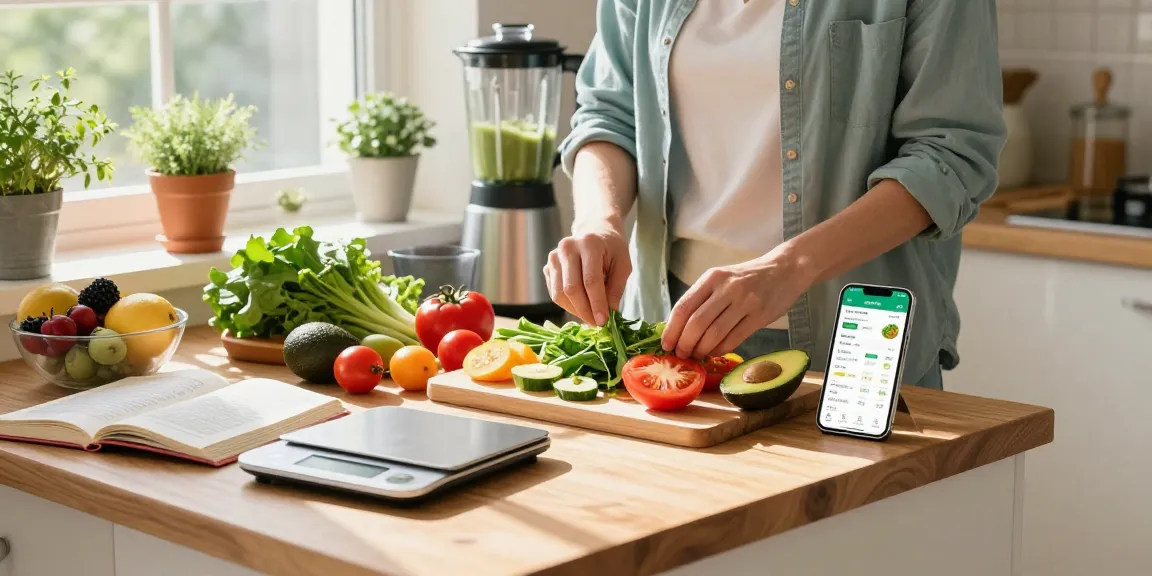
Understanding Food Tracking Apps
Food tracking apps have become essential tools for individuals aiming to maintain healthier lifestyles, manage their diets, or achieve specific health goals. With various options available, users can find a food tracking app that aligns with their unique needs and preferences, whether they focus on calories, macro tracking, or meal planning. Understanding how these apps function and their benefits can pave the way for better dietary choices.
What is a Food Tracking App?
A food tracking app is a digital tool that allows users to log their daily food intake, monitor nutritional values, and track progress towards health goals. These applications often come equipped with extensive food databases, enabling individuals to quickly input what they consume. Some apps allow users to photograph their meals or scan barcodes for convenience, streamlining the logging process. The essence of these apps lies in their ability to provide real-time feedback, helping users make informed dietary decisions.
How Food Tracking Apps Work
Food tracking apps typically operate by enabling users to enter food items consumed throughout the day. Many utilize a database containing nutritional information for thousands of products, enabling users to quickly calculate their intake. The process usually involves:
- Meal Logging: Users can input their meals manually, scan barcodes, or take photos to log their food intake.
- Caloric and Nutritional Calculation: Each app calculates the total calories consumed and provides a breakdown of macronutrients, including carbohydrates, proteins, and fats.
- Progress Tracking: Users can track their weight loss or health improvement over time, often visualized through graphs and statistics.
- Community Support: Some apps offer social features or forums that connect users for motivation and advice.
Benefits of Using a Food Tracking App
The benefits of using a food tracking app extend beyond mere calorie counting. Here are some of the notable advantages:
- Increased Awareness: Logging meals helps users become more conscious of their eating habits and nutritional intake, leading to healthier choices.
- Accountability: Maintaining a food diary can create a sense of responsibility, encouraging users to stick to their dietary goals.
- Customized Insights: Many apps provide personalized recommendations based on user data, helping tailor dietary plans to individual needs.
- Enhanced Motivation: Visual progress tracking can inspire users to stay committed to their health journeys.
Top Food Tracking Apps of 2026
This year, we have tested and reviewed a variety of food tracking apps to help users find the best food tracking app tailored to their goals. Our comprehensive evaluations cover numerous features and performance metrics to ensure a thorough understanding of what each app offers.
Review of the Best Food Tracking Apps
In our assessment, several key players emerged as top contenders in the food tracking app space:
- Welling: This app combines AI technology with user-friendly design, providing personalized meal suggestions based on dietary habits.
- Cronometer: Known for its detailed micronutrient tracking, Cronometer stands out for health-conscious individuals seeking accurate dietary insights.
- MacroFactor: This app adapts to users’ energy expenditure, making it an excellent choice for those focused on macro tracking and weight management.
- YAZIO: An intuitive interface and extensive recipe database make YAZIO a favorite among users interested in meal planning.
- Lifesum: Combining aesthetics with functionality, Lifesum offers tailored diet plans and a sleek user experience.
- Carb Manager: This app is perfect for low-carb dieters, providing insights into net carbs and keto-friendly recipes.
Comparative Overview and Ratings
Our evaluations are based on a rigorous analysis across various metrics, including user experience, data accuracy, usability, and specialty features. Here’s a brief overview:
AppOverall ScoreUsabilityFood Database QualityNutritional CoachingWelling95ExcellentVery GoodGoodCronometer92GoodExcellentFairMacroFactor90Very GoodGoodExcellentYAZIO88Very GoodGoodGoodLifesum87ExcellentGoodGoodCarb Manager85GoodVery GoodFair
App Features and User Experiences
Each app excels in different aspects, catering to diverse user preferences:
- Welling: Users appreciate its AI-driven meal suggestions, creating a personalized experience that evolves as dietary habits change.
- Cronometer: Users commend its detailed nutrient breakdown, which is particularly valuable for those focused on micronutrient intake.
- MacroFactor: The adaptive coaching feature receives praise for its real-time adjustments based on individual energy expenditures.
- YAZIO: Users enjoy the vast recipe database, which aids in meal planning and keeping meals exciting.
- Lifesum: The visually appealing interface attracts users looking for a more engaging way to track their meals.
- Carb Manager: The extensive library of keto recipes and meal plans caters directly to low-carb diet enthusiasts.
Choosing the Right Food Tracking App
Selecting a food tracking app can be overwhelming due to the plethora of options. However, by understanding your unique needs and preferences, you can find a suitable app that aligns with your health objectives.
Key Features to Look For
When investigating which app to choose, consider these key features:
- User Interface: A clean, intuitive interface ensures that logging meals is simple and enjoyable.
- Food Database: Opt for apps with a large, verified database to enhance accuracy in tracking.
- Customization: Look for apps that allow personalized meal plans or dietary adjustments based on user goals.
- Integration: Some apps offer integration with fitness trackers for a holistic approach to health monitoring.
- Community Features: Social support can be vital for motivation; choose an app that fosters community engagement.
Common Mistakes When Choosing an App
Here are common pitfalls to avoid when selecting a food tracking app:
- Prioritizing Quantity Over Quality: A large food database is irrelevant if the entries are not verified.
- Ignoring User Interface: A complicated app can deter daily use. Focus on user-friendly options.
- Forgetting Personal Goals: Not aligning app features with your health goals can waste time and effort.
- Overlooking Integration: If you use fitness devices, ensure the app can sync with them for comprehensive tracking.
How to Assess Your Personal Nutrition Needs
Understanding your nutritional needs is crucial in selecting the right app. Here are effective ways to evaluate your requirements:
- Identify Health Goals: Determine if you aim to lose weight, gain muscle, or maintain current health. This helps narrow app choices.
- Consult a Professional: Speaking with a nutritionist can provide personalized recommendations based on specific dietary needs.
- Recognize Food Preferences: If you follow a special diet, choose apps that cater to those dietary restrictions.
- Monitor Current Habits: Before choosing an app, track your food intake for a week to identify trends and areas for improvement.
Maximizing Your Food Tracking Experience
Once you've selected a food tracking app, maximizing its potential can lead to significant health improvements. Here are several strategies to enhance your experience:
Daily Logging Best Practices
Consistency is key in food tracking. To ensure accurate tracking, consider these best practices:
- Log Food Immediately: Track meals as soon as you eat them to ensure the accuracy of your data.
- Be Honest: Record all items consumed, including snacks and drinks, for a comprehensive overview of intake.
- Utilize Visual Aids: Many apps allow photos of meals, making logging quicker and reducing errors.
Utilizing App Features Effectively
To make the most out of your food tracking app:
- Explore All Features: Familiarize yourself with all app functionalities, such as meal planning and community features.
- Set Reminders: Utilize reminder functions to log meals or drink water, keeping hydration in check.
- Review Progress Regularly: Take time to analyze your data weekly to identify successes and areas for improvement.
Integrating with Fitness Trackers and Wearables
Integrating your food tracking app with fitness wearables can enhance the efficacy of both activities:
- Comprehensive Tracking: Syncing can provide a full picture of your health, merging dietary intake with physical activity.
- Realistic Goal Setting: Adjust your caloric intake based on activity levels tracked by wearables for dynamic goal setting.
- Enhanced Accountability: Tracking both food and exercise can reinforce habits and promote healthier living.
Future Trends in Food Tracking Apps
The future of food tracking apps looks promising, with technology continuously evolving to better serve users. Here are some anticipated trends:
AI and Machine Learning Integration
The incorporation of AI and machine learning in food tracking apps can revolutionize how users interact with their dietary data:
- Personalized Feedback: AI can analyze trends in eating habits, offering tailored meal recommendations and advice.
- Smart Logging: Users may one day simply take a photo of their meal, and the app will log all nutritional information accurately using AI recognition.
Personalized Nutrition Coaching Through Apps
As users become more health-conscious, apps that offer personalized nutrition coaching will gain traction:
- Expert Interaction: Users can access professional dietitians within the app for tailored advice and meal planning.
- Dynamic Adjustments: Apps could adjust dietary recommendations based on user responses and progress, ensuring continuous improvement.
Predictions for Food Tracking in 2026 and Beyond
As technology advances, we expect the following developments in food tracking apps:
- Greater Focus on Mental Health: The connection between diet and mental health will lead to more features that address emotional eating and stress management.
- Enhanced Collaboration: Users will likely experience apps that connect with healthcare providers for a more integrated approach to health management.
- More Diverse Food Databases: With globalization, apps will increasingly include international cuisine, making tracking more inclusive.
Frequently Asked Questions
What is the best food tracking app for your needs?
Determining the best app depends on your specific health goals and preferences. Consider factors like ease of use, integrations, dietary needs, and whether you prefer detailed tracking or a more casual approach to logging meals.
Can calorie tracking apps really help in weight loss?
Yes, calorie tracking apps can facilitate weight loss by promoting awareness of eating habits and caloric intake. Studies suggest that consistent tracking is linked to more successful weight loss efforts, particularly when users select an app that aligns with their dietary habits and preferences.
How accurate are AI-based food tracking options?
AI-based food tracking apps have shown varying levels of accuracy, particularly when obtaining nutritional data from meal photos. While some apps are significantly accurate, results depend on the food's clarity in photos and the app's algorithm's efficiency. Always verify entries against standard nutritional databases when possible.
What features make for the best food tracking experience?
The best food tracking experience typically includes a robust database, intuitive user interface, personalized recommendations, effective goal setting, and community support features. These elements collectively enhance the user experience, fostering accountability and motivation.
Does a larger food database mean more accurate tracking?
Not necessarily. While a large food database can provide a variety of options, the quality of the entries is crucial. Apps with verified and accurate data often outperform those with larger, unverified databases, as the accuracy of nutritional information is paramount for effective tracking.
Are food tracking apps worth the investment?
Food tracking apps can be worth the investment, particularly for individuals serious about monitoring their diet and health. Features that provide personalized coaching, detailed metrics, and community support may justify any associated costs, especially if they lead to better health outcomes.