Understanding Equipment Service
Definition and Importance of Equipment Service
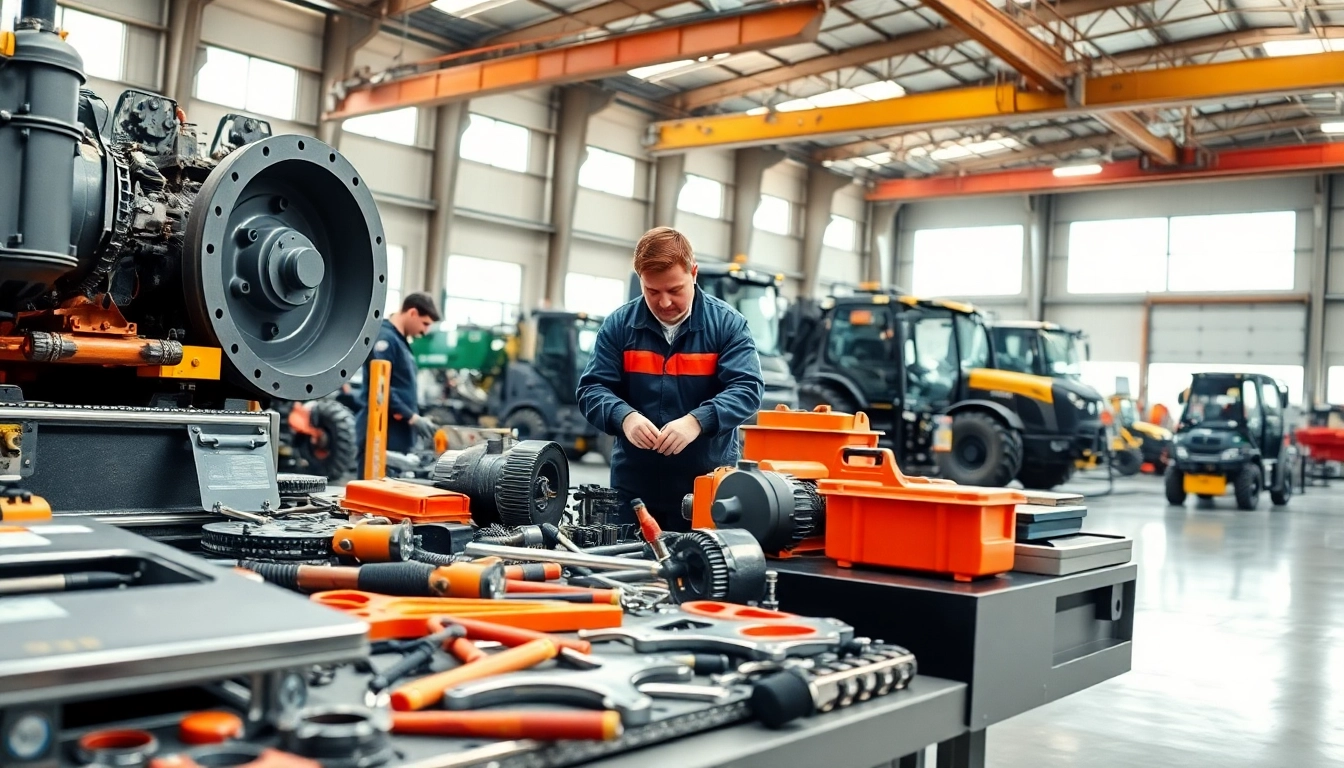
Equipment service refers to the various procedures and practices undertaken to maintain, repair, and optimize machinery and tools, ensuring they operate at peak performance. This service is vital across multiple industries, from construction and manufacturing to agriculture and logistics. Proper equipment service minimizes downtime, enhances safety, and prolongs the asset's lifespan. By investing in equipment service, organizations can optimize productivity and reduce overall operational costs.
Types of Equipment Service
Various types of equipment service cater to different needs:
- Preventive Maintenance: Scheduled checks and services designed to prevent equipment failures before they occur. This includes regular inspections, adjustments, and replacements based on manufacturer guidelines.
- Corrective Maintenance: Reactive measures taken to fix equipment after a failure has occurred. These services are crucial in minimizing downtime and restoring equipment to operational status as quickly as possible.
- Predictive Maintenance: Advanced analytics and monitoring techniques used to predict when equipment might fail based on data trends. This approach saves costs by addressing issues before they result in extensive repairs.
- Condition-Based Maintenance: Services provided based on the actual condition of equipment, which is assessed through systematic inspection and testing.
Common Equipment Service Terminology
Familiarity with industry terminology enhances communication and understanding of service processes:
- Service Interval: The recommended time or usage duration between maintenance tasks.
- Downtime: The period during which equipment is not operational, often due to maintenance or repairs.
- Work Order: A document describing the tasks to be completed, usually generated before service commences.
- Asset Management: The systematic approach to managing an organization's assets, including their maintenance and service.
Best Practices for Equipment Service
Routine Maintenance Procedures
Routine maintenance is foundational for ongoing equipment service. Establish a detailed maintenance schedule, documenting specific tasks such as:
- Lubrication: Regularly lubricating moving parts to prevent wear and tear.
- Inspection: Routine checks for wear, damage, and fluid levels can help catch issues early.
- Calibration: Ensuring that equipment performs within specified tolerances to maintain efficiency and accuracy.
Implementing a documented maintenance schedule helps ensure all tasks are performed timely and allows for consistent tracking of service history.
Emergency Equipment Service Techniques
When unexpected equipment failures occur, a company must be prepared for swift action. Key techniques include:
- Rapid Assessment: Quickly determining the cause and extent of the failure using diagnostic tools.
- On-Site Repairs: Utilizing mobile service units can expedite repairs without transporting equipment.
- Technical Support: Access to knowledgeable technicians who can guide troubleshooting and repair processes.
Establish response teams and training sessions to ensure that staff are well-prepared for emergencies.
Record Keeping for Equipment Service
Maintaining an organized record-keeping system is essential for tracking service procedures, expenses, and equipment performance. Important components include:
- Service Logs: Documenting each service performed, including dates and specific tasks completed.
- Performance Metrics: Tracking metrics such as equipment efficiency, downtime, and recurring issues enables informed decision-making.
- Financial Records: Keeping a record of costs associated with maintenance helps in budgeting and identifying cost-saving opportunities.
Choosing the Right Equipment Service Provider
Evaluating Service Quality
Selecting a dependable equipment service provider is crucial for business success. Key factors to consider include:
- Technical Expertise: Assess the provider’s technical skills and experience specific to your type of equipment.
- Service Guarantees: Check if they offer warranties or guarantees on their service work.
- Customer Feedback: Reviews or case studies from previous clients can provide insight into service quality.
Cost Considerations
Budget constraints often play a significant role in choosing a service provider. Consider the following:
- Service Rates: Obtain detailed estimates, including parts and labor, and compare them across multiple providers.
- Package Deals: Some providers offer maintenance packages that reduce overall costs.
- Long-term Savings: Sometimes, investing more upfront can yield lower costs in the long run through fewer repairs.
Understanding Industry Certifications
Certifications demonstrate a provider's commitment to standards and quality. Look for certifications relevant to your equipment, such as:
- ISO Certifications: Indicates compliance with international standards for quality management.
- Manufacturer Certifications: Indicates that the service technicians are trained and certified by the equipment manufacturer.
- Safety Certifications: Ensures service providers follow safety regulations, reducing the risk of accidents during service.
Implementing an Equipment Service Schedule
Factors Influencing Service Frequency
The frequency of service can vary based on several factors:
- Equipment Usage: High-usage equipment will require more frequent maintenance.
- Environment: Operating conditions, such as extreme temperatures, humidity, or dust, can affect service frequency.
- Manufacturer Guidelines: Always refer to the manufacturer’s service recommendations for specific intervals.
Effective Scheduling Tools and Techniques
Utilizing tools and techniques can help streamline scheduling:
- Maintenance Management Software: This digital tool can automate scheduling and notifications for upcoming services.
- Calendar Systems: Utilize calendar applications to track service dates and reminders.
- Checklists: Implement checklists for routine inspections to ensure all tasks are completed.
Monitoring Service Effectiveness
Evaluating the effectiveness of your service schedule is crucial. Track key performance indicators (KPIs) like:
- Downtime: Analyze if maintenance activities are reducing unexpected downtime.
- Cost vs. Performance: Measure the cost of maintenance against the equipment’s performance to determine if service efforts are successful.
- Equipment Lifespan: Keep an eye on how maintenance affects the longevity of the equipment.
Future Trends in Equipment Service
Technological Innovations Impacting Equipment Service
The equipment service industry is rapidly evolving due to technology. Key innovations include:
- IoT and Smart Sensors: These technologies enable real-time monitoring of equipment conditions, alerting about potential issues.
- Mobile Applications: Facilitate easy tracking and management of service records and scheduling from anywhere.
- Remote Assistance: Many service providers utilize augmented reality to assist technicians during repairs, improving first-time fix rates.
The Role of Predictive Maintenance
Predictive maintenance is reshaping how companies approach equipment service by utilizing data analytics for proactive maintenance. Advantages include:
- Reduced Downtime: Addressing issues before they lead to failures can significantly minimize downtime.
- Cost Savings: By focusing maintenance efforts just when needed, organizations can save on unnecessary servicing and parts replacements.
- Enhanced Efficiency: Predictive maintenance leads to better resource allocation and optimized service schedules.
Sustainability in Equipment Service Practices
With increasing focus on sustainability, companies are adopting eco-friendly practices in equipment service. This includes:
- Using biodegradable lubricants and cleaners: Reduces environmental impact during service operations.
- Recycling parts: Promotes sustainability by reducing waste from discarded equipment.
- Energy-efficient practices: Implementing systems that minimize energy usage during operations and maintenance.
Frequently Asked Questions
What is the meaning of equipment services?
Equipment services refer to maintenance, repair, calibration, and installation tasks performed on machinery and tools to ensure their optimal operation.
What is equipment servicing?
Equipment servicing covers inspection, testing, maintenance, and repairs to prevent failures and extend the operational life of machinery.
What are the three types of equipment maintenance?
The primary types of equipment maintenance are preventive, predictive, and corrective maintenance, each serving different needs and goals.
What is condition-based maintenance?
Condition-based maintenance is performed according to the actual condition of equipment rather than on a set schedule, allowing for more efficient service.
How can I select the best equipment service provider?
Evaluate potential providers based on their expertise, client reviews, service guarantees, and industry certifications to ensure quality service.