Understanding Bed Bugs and Their Behavior
What are Bed Bugs?
Bed bugs (Cimex lectularius) are small, wingless insects that feed on the blood of humans and animals. These nocturnal pests are approximately 4-5 mm in length and are identifiable by their reddish-brown color and oval shape. Their size and exclusion from many standard home inspections make them particularly hard to identify until an infestation has taken hold. Bed bugs primarily thrive in warm environments, making homes, hotels, and public transport their ideal habitats.
Signs of Bed Bug Infestation
Recognizing a bed bug infestation early can be crucial for effective bed bug control. Signs include:
- Small, rust-colored stains on sheets or mattresses, caused by bed bug excrement.
- Dark spots, which can indicate bed bug feces.
- Eggs or shells, often found in cracks and crevices of furniture.
- Live bugs, which may be found in the seams of mattresses or upholstered furniture.
- Unexplained bites, often occurring while you sleep, particularly in a linear pattern.
Why Do Bed Bugs Infest Homes?
Bed bugs are opportunistic parasites, often hitching rides into homes via luggage, clothing, or used furniture. They thrive in environments where they have access to blood meals, making densely populated areas more susceptible to infestations. Once inside, they may find shelter in mattresses, bed frames, and even electrical outlets. Their ability to reproduce quickly further exacerbates the problem if control measures aren't implemented promptly.
Identifying Effective Bed Bug Control Techniques
Preventative Measures for Bed Bug Control
Effective bed bug control starts with preventative measures. Below are steps to minimize the risk of an infestation:
- Regularly inspect your living space, especially after travel.
- Seal cracks and crevices in walls, floors, and furniture.
- Use protective covers on mattresses and pillows that are specifically designed to be bed bug-proof.
- Reduce clutter in your home to eliminate potential hiding spots.
- Be cautious when purchasing used furniture; inspect thoroughly for signs of pests.
Professional Extermination Options
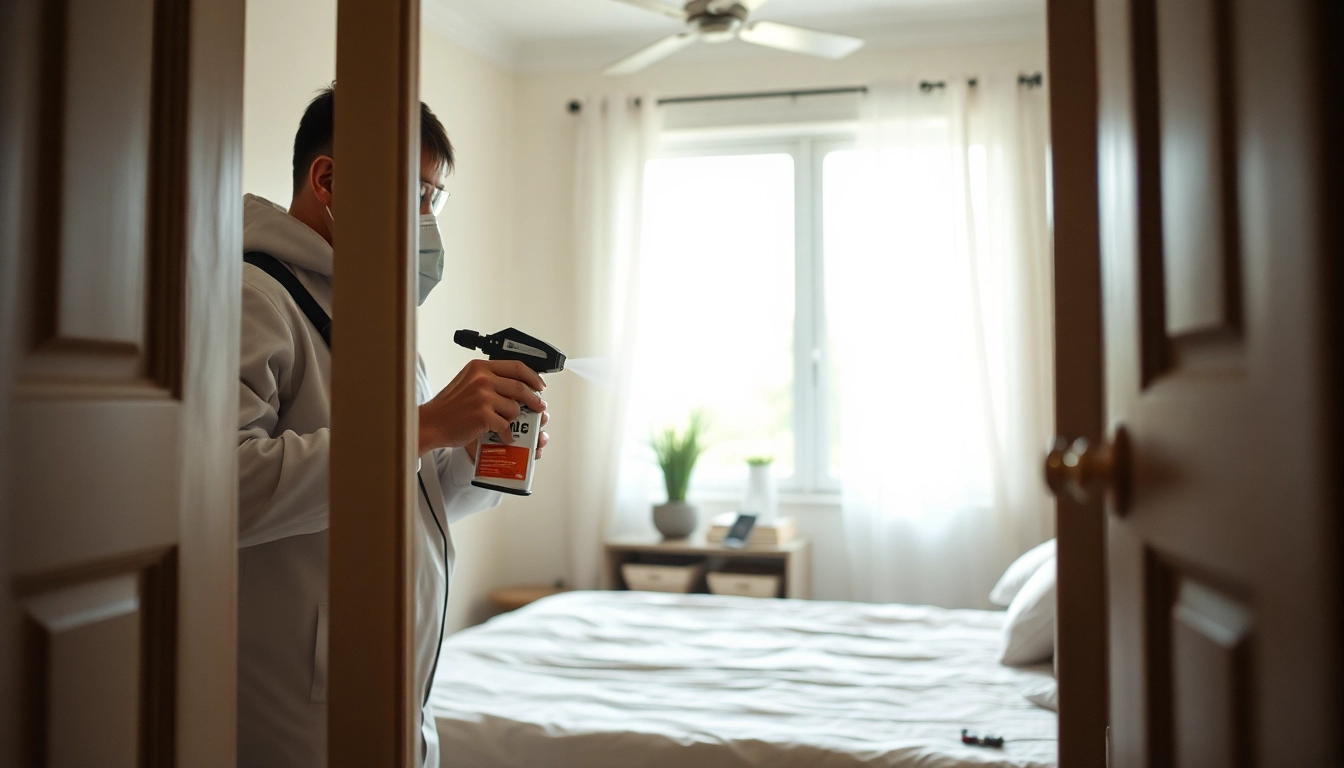
When faced with a severe infestation, professional extermination may be necessary. Experts typically deploy a combination of methods, including:
- Chemical Treatments: Various pesticides are often used, including residual sprays that are effective for several weeks. It's crucial these are applied by professionals to ensure safety.
- Heat Treatments: Exposing the infested area to extreme temperatures, usually above 120°F (49°C), can kill bed bugs at all life stages.
- Insect Growth Regulators: These disrupt the life cycle of bed bugs, preventing them from developing into adults.
- Steam Treatments: This method is effective for cracks, crevices, and fabrics where bugs may retreat and hide.
DIY Bed Bug Control Methods
For those who prefer a hands-on approach, a variety of DIY methods can be helpful in managing minor bed bug issues. However, these should be considered supplementary to other methods:
- Vacuuming: Regularly vacuuming can physically remove bed bugs, especially from carpets, upholstery, and hidden spots. Ensure to dispose of the vacuum bag outside immediately.
- Heat Treatment: Washing bed linens, clothing, and any potentially affected items in hot water can kill bed bugs. Drying at high heat for at least 30 minutes is also effective.
- Encasements: Enclosing mattresses and box springs in encasements can trap bed bugs and prevent bites.
- Homemade Sprays: A mixture of water and essential oils such as tea tree oil or lavender oil may deter bed bugs on contact. Note that effectiveness can vary.
Implementing Bed Bug Control in Your Home
Creating a Treatment Plan
Developing a comprehensive treatment plan is critical for effective bed bug control. This plan should outline the methods to be used, schedule for treatment, and necessary preventative steps. Begin with a thorough inspection to assess the scope of the infestation, followed by a tailored combination of DIY measures and professional services, if needed.
Proper Cleaning Techniques Post-Infestation
After a successful extermination, cleaning is vital. Effective techniques include:
- Washing all bedding and clothing at high temperatures.
- Vacuuming thoroughly to remove any remaining bugs or eggs.
- Using sealed plastic bags for storing clean items until you’re certain the infestation is resolved.
- Regularly inspecting and cleaning areas infested pre-treatment.
Reassessing Your Home's Vulnerability
Once you've implemented an initial treatment plan, continuously assess your home for vulnerabilities. Check for new signs of bed bugs and consider performing inspections or employing preventive measures regularly. This vigilance will help ensure that another infestation does not occur.
Common Questions About Bed Bug Control
How to Choose the Right Exterminator?
Finding an effective exterminator requires research. Look for professionals with experience in bed bug treatment, positive reviews, and those who offer a guarantee on their work. Ask for detailed plans of treatment methods to ensure they are using effective strategies.
Factors Affecting Bed Bug Control Costs
Costs can vary significantly based on the severity of the infestation, the size of the treated area, and the chosen method of extermination. Incorporating professional treatments generally incurs higher costs than DIY options, but can save money in the long run by ensuring thorough eradication.
When Should You Seek Professional Help?
Professional extermination should be sought when initial DIY efforts have failed, or if the infestation is severe or widespread. Since bed bugs can reproduce rapidly, it’s crucial to act quickly to prevent further issues.
Maintaining a Bed Bug-Free Home
Best Practices After Treatment
Post-treatment, maintain vigilance. Consider these best practices:
- Continue to minimize clutter which can harbor pests.
- Regularly monitor areas that were previously infested for signs of re-infestation.
- Use mattress encasements to protect against new infestations.
- Stay informed about bed bug prevalence in your area to remain proactive.
Long-Term Prevention Strategies
Preventing bed bugs from returning requires consistent effort:
- Integrate periodic inspections into your cleaning routine.
- Apply preventive sprays or treatments as recommended by pest control professionals.
- Educate household members about bed bug identification and the importance of early detection.
Recognizing New Infestation Signs
Stay alert for any new signs of bed bug activity. Unexpected bites, new fecal spots, or shed skins warrant immediate action. Early detection is key to minimizing damage and controlling future infestations.
Frequently Asked Questions About Bed Bug Control
1. Can I get rid of bed bugs on my own?
While minor infestations can be managed with DIY methods, severe cases often require professional help for effective eradication.
2. How long does it take to eliminate bed bugs?
Elimination time can vary based on the treatment method and severity of the infestation. Professional services usually take a few weeks for complete eradication.
3. Are bed bugs harmful to my health?
While bed bugs are not known to transmit diseases, their bites can cause severe itching and allergic reactions for some individuals.
4. What should I do if I have bed bugs in my hotel room?
Notify hotel management immediately and request a room change. Inspect your belongings before transferring to avoid spreading them.
5. Do I need to throw out my mattress if I have bed bugs?
No, disposing of a mattress can spread the infestation. Instead, consider encasing it and treating it appropriately.