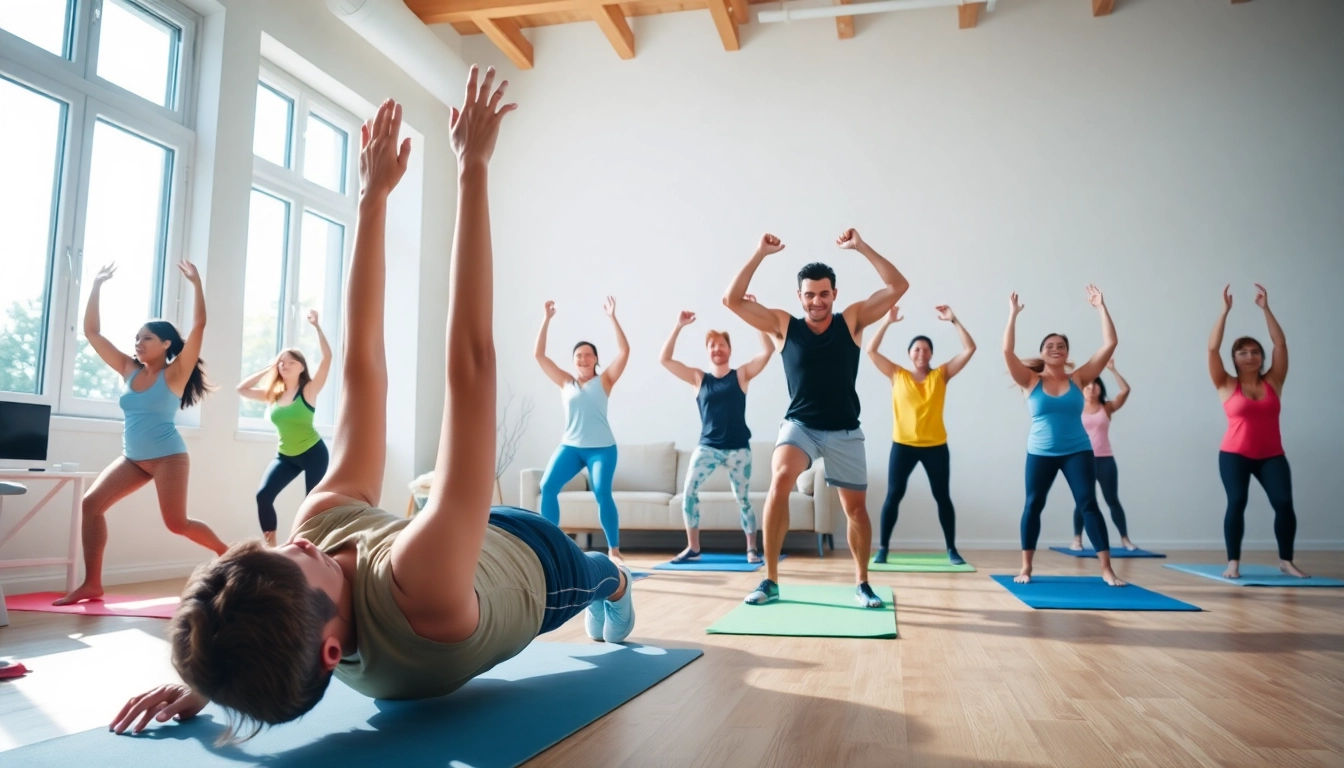
Introduction to Home Workout Plans
As the world shifts towards increasingly hybrid lifestyles, the importance of effective Home Workout Plans has never been greater. Whether due to reduced access to gyms, changing work commitments, or the preference for the comfort of our own space, home workouts have surged in popularity. In this article, we will explore the critical aspects of home workout plans, from understanding their significance to designing tailored programs that suit various fitness levels. Our aim is to empower individuals to take control of their fitness journey and reap the benefits of exercise, regardless of their environment.
Understanding the Importance of Home Workouts
In recent years, home workouts have transitioned from a mere trend to a fundamental component of many fitness regimes. The convenience of exercising at home is coupled with the elimination of travel time, allowing individuals to integrate fitness seamlessly into their daily routines. Moreover, home workouts provide a safe space for those who may feel self-conscious in traditional gym settings. Additionally, for those balancing family and work obligations, the versatility of home workouts can offer a vital solution to maintaining health and wellness.
Benefits Over Gym Workouts
While gym workouts have their advantages, home workouts present unique benefits that many fail to recognize. Firstly, they are cost-effective—eliminating the need for fitness memberships or commuting expenses. Secondly, the flexibility in workout timing means individuals can choose the most suitable time to exercise, fostering consistency. Furthermore, home workouts often allow for a greater variety of exercise options, including outdoor options or utilizing everyday household items as workout tools.
Setting Goals for Your Home Workout Plan
Establishing clear and attainable fitness goals is crucial for staying motivated and tracking progress. When designing your home workout plan, consider using the SMART criteria (Specific, Measurable, Achievable, Relevant, Time-bound) to guide your goal-setting process. Whether your aim is to lose weight, build strength, or improve flexibility, having concrete objectives will bolster accountability and provide a roadmap for your fitness journey.
Types of Home Workout Plans
Bodyweight Workouts
Bodyweight workouts utilize the individual's weight as resistance, making them accessible to everyone without requiring equipment. Exercises such as push-ups, squats, lunges, and planks can build strength, endurance, and flexibility. They are incredibly versatile and can be modified to fit any fitness level. For beginners, starting with simpler variations is advisable, while more advanced users can incorporate dynamic movements or increase sets and repetitions.
Resistance Training Options
Resistance training at home can be achieved with minimal equipment, such as resistance bands, dumbbells, or even household objects like water bottles and backpacks. This type of training is vital for building muscle, enhancing metabolic rate, and improving bone density. Structured plans may involve compound exercises like deadlifts or overhead presses that target multiple muscle groups, ensuring balanced development and reducing the risk of injury.
Cardio Exercises for Home
Cardiovascular workouts can significantly improve heart health, boost mood, and support weight loss. At home, options include high-intensity interval training (HIIT), jump rope sessions, dancing, or outdoor jogging. Utilizing a treadmill or stationary bike, if available, can also provide effective cardiovascular workouts. Incorporating a mix of moderate and vigorous activities into your weekly routine offers comprehensive coverage for cardiac health.
Creating Your Customized Home Workout Plan
Assessing Your Fitness Level
Before diving into a home workout plan, it's essential to assess your current fitness level. This evaluation can include body composition assessments, fitness tests (such as max push-ups or timed mile runs), and flexibility tests. Understanding your starting point helps in tailoring a workout plan that is both challenging and achievable, helping to avoid injury and promote optimal gains.
Incorporating Variety in Exercises
Diversity in workout routines is key to maintaining interest and engagement. Mixing up exercises not only addresses different muscle groups but also reduces the risk of overuse injuries. Incorporating various styles—like circuit training, yoga, or Pilates—can create a balanced plan that nurtures overall fitness. Furthermore, regularly updating your exercise selections preserves motivation and encourages continual progress.
Scheduling Your Workouts Effectively
Creating a consistent workout schedule is vital for success. Determine how many days a week you can realistically dedicate to your training and design a plan that includes rest and recovery days. Utilizing tools such as calendars or apps can help to keep you accountable. Sticking to a routine instills good habits, ensuring that fitness remains a priority in your daily life.
Adapting Home Workout Plans for Different Populations
Home Workout Plans for Beginners
Beginners often face the challenge of understanding where to start. A simplified plan focusing on short sessions with rest days can help build endurance and strength gradually. Including fundamental exercises like walking, basic squats, and modified push-ups will provide a solid foundation. Additionally, it’s crucial to encourage proper form to prevent injuries and ensure sustainable growth.
Home Workout Plans for Seniors
For seniors, home workout plans should emphasize balance, flexibility, and low-impact cardiovascular exercises. Including activities such as stretching, light resistance, and chair-based exercises can enhance physical function while ensuring safety. It is also beneficial to incorporate social elements, such as group classes via video conferencing, to maintain social engagement and motivation.
Home Workout Plans for Busy Professionals
Busy professionals often struggle with finding time for exercise. Designing short, efficient workouts, such as 20-minute high-intensity sessions or quick mobility routines, can fit into tight schedules. Furthermore, integrating movement throughout the day—like taking stairs instead of elevators or desk stretches—contributes to overall activity levels without needing lengthy sessions.
Measuring Your Progress with Home Workout Plans
Tracking Your Workouts and Adjustments
To gauge effectiveness, individuals should track their workouts consistently. Utilizing fitness apps, journals, or planners can help monitor progress, adapt workouts, and maintain motivation. Regularly reviewing performance allows adjustments to be made, ensuring the workouts remain effective and aligned with goals.
Setting Milestones and Achieving Goals
Embedding milestones within your workout plan creates opportunities for celebration and reassessment. Setting smaller, achievable objectives contributes to long-term motivation and commitment. Whether it’s an increase in performance metrics or simply sticking to a routine for a certain duration, these milestones signify important steps toward overarching fitness goals.
Staying Motivated and Overcoming Challenges
Maintaining motivation can be challenging—especially when exercises become routine. Implementing positive reinforcement techniques, seeking accountability from workout partners, or even sharing progress on social media can drive motivation. Understanding common barriers, like time constraints or lack of enthusiasm, allows individuals to brainstorm effective solutions to persist in their workout journey.
FAQs about Home Workout Plans
1. What equipment do I need for home workouts?
Minimal equipment is needed, such as dumbbells, resistance bands, or even household items. Many bodyweight exercises require no equipment at all!
2. How often should I work out at home?
It's generally recommended to work out at least 3-5 times a week, mixing cardiovascular, strength, and flexibility exercises to ensure balanced fitness.
3. Can I lose weight with home workouts?
Yes! With a consistent routine combined with a balanced diet, home workouts can effectively contribute to weight loss and improved health.
4. What is a good beginner workout routine?
A good beginner routine may include 20-minute sessions of bodyweight exercises like squats, push-ups, and light jogging, gradually increasing intensity over time.
5. How do I stay motivated to workout at home?
Setting goals, scheduling workouts, mixing up exercises, and tracking progress can help maintain motivation, along with having a workout buddy for accountability.