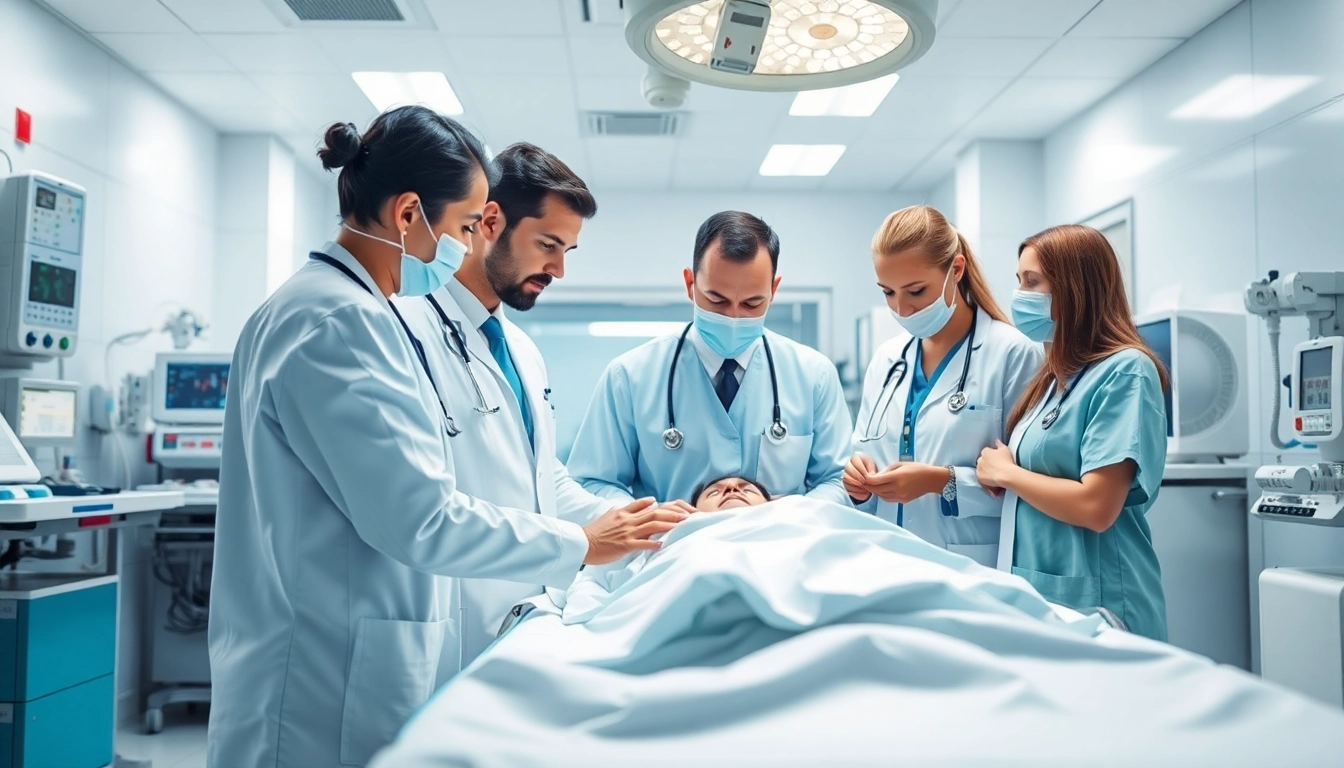
Understanding Emergency Hospital Services
Definition and Importance
Emergency Hospital Services are specialized medical services available to provide immediate treatment for acute medical conditions and traumatic injuries. Their primary function is to stabilize patients by addressing life-threatening situations, ensuring that individuals receive the necessary medical attention promptly. The importance of these services cannot be overstated; they serve as a critical lifeline during medical emergencies, facilitating a comprehensive response system that includes both pre-hospital and in-hospital care.
The Emergency Hospital Services are fundamental in minimizing morbidity and mortality rates associated with immediate health crises. Effective emergency hospital services are essential for improving patient outcomes and enhancing community health overall.
Key Components of Emergency Hospital Services
Emergency Hospital Services consist of several key components that work together cohesively. These include:
- Emergency Departments (EDs): 24/7 facilities that provide acute care.
- Ambulance Services: Mobile units designed for immediate patient transport and stabilization.
- Trauma Care Units: Specialized areas within hospitals dedicated to high-risk trauma patients.
- Integrated Communication Systems: Technologies that facilitate real-time interaction among healthcare providers.
- Patient Admission Processes: Protocols that ensure quick and efficient patient intake and management.
Understanding these components is crucial for healthcare professionals aiming to enhance the quality and speed of emergency care.
Emergency vs. Urgent Care
The distinction between emergency and urgent care can be a source of confusion for many patients. Emergency services deal with life-threatening conditions that require immediate medical intervention. In contrast, urgent care services address medical issues that are not life-threatening but require prompt attention, such as minor injuries and illnesses. Understanding this difference helps patients make informed decisions about where to seek care, ultimately improving both individual and community health outcomes.
Challenges in Emergency Hospital Services
High Patient Volume and Resource Management
One of the most significant challenges facing emergency hospital services is high patient volume, particularly during peak times or public health emergencies. Healthcare facilities often struggle to manage resources effectively, leading to overcrowding, increased wait times, and compromised patient care. Efficient resource management is key to ensuring that hospitals can respond adequately during surges in patient numbers.
Staffing and Training Requirements
Another challenge is maintaining an adequate number of qualified medical and support staff. Emergency medicine requires specialized training to ensure that healthcare providers are prepared to handle various critical conditions efficiently. Ongoing training programs and proper staffing strategies are essential to ensure that institutions can meet community needs effectively.
Technological Integration in Emergency Care
The rapid advancement of technology presents both opportunities and challenges in emergency services. While electronic health records, telemedicine, and artificial intelligence can enhance patient management and care delivery, the integration of new technologies requires significant investment in training and infrastructure. Facilities that effectively leverage technology can significantly improve patient outcomes through precision medicine and data-driven care.
Best Practices for Delivering Emergency Hospital Services
Streamlining Patient Flow
Streamlining patient flow is vital to improving the efficiency of emergency hospital services. Implementing logistical strategies such as triaging patients effectively can help prioritize those most in need of immediate care. Strategies include optimized layouts for emergency departments and rapid assessment protocols, reducing bottlenecks and enhancing patient experiences.
Effective Communication Strategies
Effective communication among healthcare staff, patients, and their families is critical in emergency settings. Implementing structured communication protocols, such as SBAR (Situation, Background, Assessment, Recommendation), facilitates clearer interactions and reduces the chances of misunderstandings during stressful situations. Furthermore, educating patients on when to seek care can alleviate some pressure off emergency departments.
Continuous Staff Education and Training
Regular training and continuing education for staff ensure that they are knowledgeable about the latest emergency care practices, technologies, and protocols. Effective onboarding procedures and simulation-based training are excellent methods to prepare staff for real-life scenarios, improving patient outcomes and healthcare team confidence.
Case Studies of Successful Emergency Hospital Services
Innovative Approaches to Patient Care
Success stories within emergency hospital services often highlight innovative approaches to patient care. Some hospitals have adopted integrated care models, emphasizing collaboration between emergency departments and specialty areas to streamline care for complex conditions. For instance, implementing a dedicated stroke team can expedite treatment protocols, significantly improving recovery outcomes.
Rapid Response Teams in Action
Rapid response teams have become a vital component of emergency services in many hospitals. These teams, composed of mix professionals (nurses, doctors, and respiratory therapists) respond immediately to critical situations within the facility. Their presence has proven effective in preventing patient deterioration, illustrating the importance of immediate intervention in emergency care.
Community Engagement in Emergency Services
Engaging with the community can significantly enhance the effectiveness of emergency hospital services. Public health education initiatives, outreach programs, and collaboration with local agencies can foster better relationships between hospitals and the communities they serve. These efforts can include training individuals in CPR, providing first aid courses, and informing locals about available emergency services.
Future Trends in Emergency Hospital Services
Telemedicine and Remote Consultations
Telemedicine has emerged as a transformative trend in emergency services, allowing for remote consultations and immediate access to care. This technology enables healthcare providers to assess patients quickly and make decisions on the necessity of hospital visits. As telehealth becomes more integrated into emergency services, it can reduce unnecessary emergency room visits and optimize resource use.
AI and Data Analytics in Emergency Management
The implementation of artificial intelligence and data analytics is set to revolutionize emergency hospital services. AI algorithms can predict patient influx patterns, optimize staffing, and enhance diagnostic accuracy during emergency situations. Leveraging big data allows for better decision-making, ensuring appropriate resource allocation and innovative patient care models.
Policy Changes Impacting Emergency Services
Governmental policies play a significant role in shaping emergency hospital services. As healthcare policies evolve, institutions must adapt to comply with new regulations impacting funding, service delivery, and quality improvement initiatives. Staying abreast of these changes is essential for hospitals to maintain the highest standards of care and adapt accordingly.
Frequently Asked Questions
What services are included in emergency medical services?
Emergency medical services include ambulance transport, urgent medical aid, critical care, and coordination with hospital emergency departments.
How do I know if I need to go to the emergency room?
You should seek emergency room care for severe injuries, difficulty breathing, chest pain, uncontrolled bleeding, or any other life-threatening conditions.
What happens when I arrive at the emergency department?
Upon arrival, you will be triaged based on the severity of your condition, followed by a medical assessment where treatment options are discussed.
Why are wait times often long in emergency departments?
Long wait times can result from high patient volumes, staffing shortages, and the need to prioritize the treatment of critically ill patients.
Can I use telemedicine services for emergencies?
Telemedicine can be utilized for non-life-threatening conditions or follow-ups, but severe emergencies always require immediate in-person treatment.