Understanding Driveway Cleaning: Importance and Benefits
Driveways often endure the brunt of outdoor elements, leading to dirt, stains, and other debris that not only detracts from their beauty but can also cause long-term damage. Regular driveway cleaning is essential for maintaining aesthetics, safety, and property value. In this comprehensive guide, we’ll explore the various dimensions of driveway cleaning, from recognizing its importance to understanding cost factors, cleaning techniques, and frequently asked questions.
Why Regular Driveway Cleaning is Essential
Regular driveway cleaning is critical for several reasons. Firstly, it preserves the structural integrity of the driveway material, whether it be concrete, asphalt, or pavers. Dirt and grime can lead to erosion over time, causing cracks and structural issues. Moreover, regular cleaning prevents the accumulation of harmful substances like mold and mildew, which can pose health risks. Visibly clean driveways contribute to a more welcoming environment and significantly enhance curb appeal, which can be beneficial if you decide to sell your property.
Environmental Benefits of Clean Driveways
Clean driveways are not just aesthetically pleasing; they also have environmental advantages. Dirty surfaces can contribute to runoff that pollutes local waterways. By regularly cleaning your driveway, you minimize the transfer of dirt, oil, and chemicals into the environment, making your home more eco-friendly. Additionally, many cleaning products today are biodegradable or eco-friendly, reducing harmful impacts on nearby ecosystems.
Enhancing Curb Appeal through Driveway Cleaning
First impressions matter, especially in real estate. A clean driveway creates a positive impact on guests and potential buyers. It suggests that the property is well-maintained and cared for. The stark contrast between a clean and dirty driveway can make a significant difference, making curb appeal enhancement one of the most compelling reasons to invest in regular driveway cleaning.
Common Driveway Stains and Their Causes
Understanding the type of stains on your driveway is crucial for effectively removing them. Different stains require different approaches, and being able to identify them will help you choose the right cleaning method. Below are some common stains that homeowners encounter.
Identifying Oil Stains and Solutions
Oil stains are among the most problematic for driveway cleanliness, often resulting from vehicles leaking oil. These stains can become embedded in the surface material, making them challenging to remove. A simple solution includes using a degreaser specifically designed for concrete or asphalt surfaces. These are usually applied directly to stains and scrubbed before being rinsed away with a pressure washer or hose.
Removing Mold and Mildew Effectively
Mold and mildew thrive in damp environments, making driveways, often shaded or masked with debris, a perfect home. Not only do these growths affect appearance, but they can also pose health risks. To remove these, a mixture of vinegar and water or a specially formulated mold remover can be applied. Allow the solution to sit for a while, scrub the area, and rinse thoroughly to ensure complete removal.
Dealing with Rust and Other Stubborn Stains
Rust stains can be a tricky issue, commonly arising from metal objects that come into contact with the driveway. Special rust removers or homemade solutions, such as lemon juice or baking soda, can be effective. For other stubborn stains like paint or chemical spills, investing in a professional cleaning service may be wise due to the potential for permanent damage if not handled properly.
Techniques for Effective Driveway Cleaning
Whether you choose to tackle your driveway's cleanliness yourself or hire professionals, knowing various techniques can benefit your efforts. Here’s a dive into some effective methods.
DIY Driveway Cleaning Methods
DIY methods can be surprisingly effective and cost-efficient. Common methods include scrubbing with a stiff brush and applying a baking soda and vinegar mixture for tougher stains. Additionally, utilizing a leaf blower or broom to remove loose debris before any cleaning can enhance the overall effectiveness of your chosen method.
Using a Pressure Washer: Best Practices
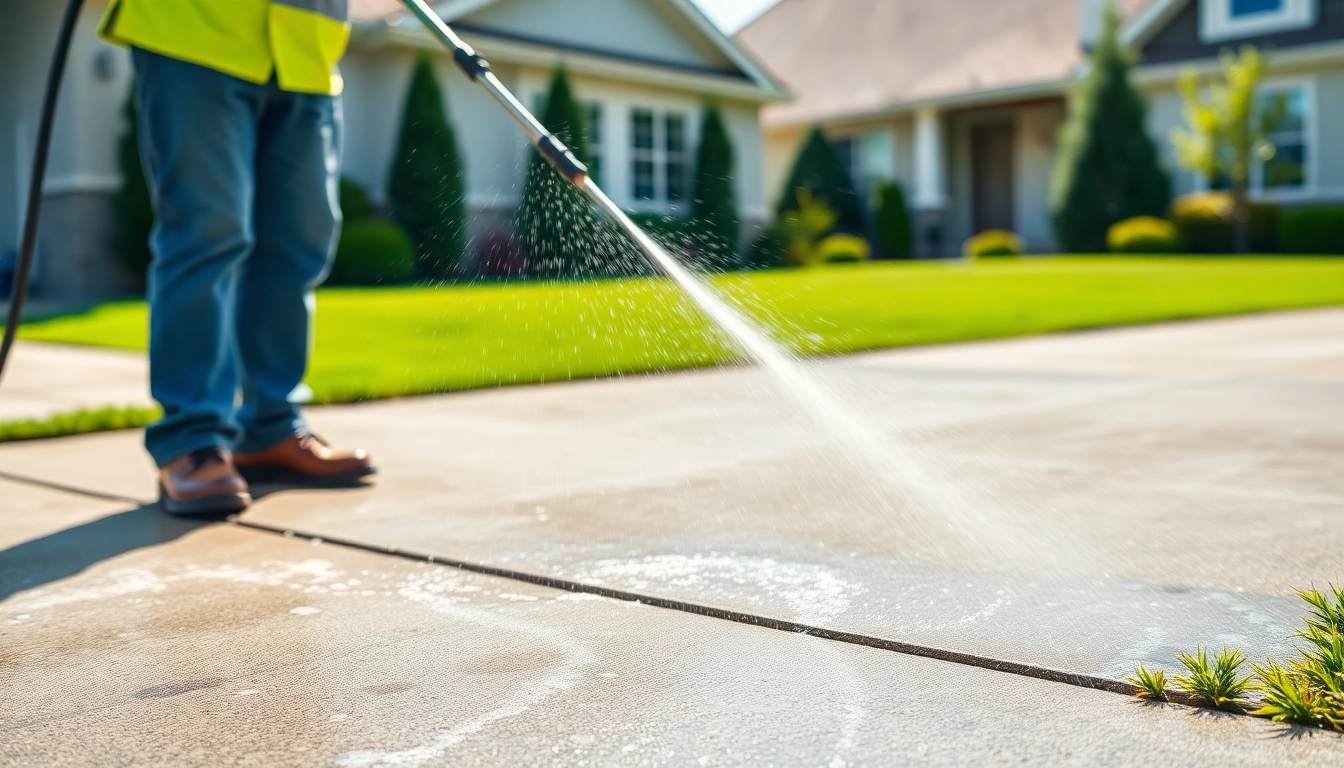
Pressure washers are invaluable tools for driveway cleaning, delivering high-pressure water streams that can eliminate stubborn stains and dirt quickly and efficiently. When using a pressure washer, it's crucial to operate it at the correct pressure—usually around 3000 PSI for concrete. Move the nozzle in a sweeping motion, and avoid concentrating on one spot for too long to prevent surface damage. Always wear protective gear, including goggles and gloves.
Safe Chemicals for Driveway Cleaning
Chemicals used in driveway cleaning can significantly impact results. It’s essential to choose eco-friendly options whenever possible to limit environmental impact. Look for cleaning solvents that are specially formulated for the surface type of your driveway to prevent damage. Always follow the manufacturer's instructions to ensure safe and effective cleaning.
Cost Factors for Professional Driveway Cleaning
Understanding the costs associated with professional driveway cleaning can help homeowners make informed decisions about whether to hire experts or pursue a DIY approach.
Breakdown of Costs by Driveway Material
The cost of professional driveway cleaning primarily depends on the type of surface being cleaned. Typically, cleaning concrete driveways is less expensive than cleaning more porous materials like pavers or gravel due to the more delicate care these materials require.
Factors Influencing Professional Cleaning Prices
Several factors can influence the pricing of driveway cleaning services. These include location, the size of the area needing cleaning, the complexity of the stains, and the time required to complete the work. Additionally, some providers may charge extra for specialized services, such as sealing after cleaning.
Cost Comparisons: DIY vs. Hiring Professionals
While DIY methods are initially more cost-effective, the time and potential mishaps in achieving satisfactory results can lead some to prefer professional services. Costs for purchasing equipment or cleaning solutions should also be considered. In contrast, hiring professionals provides expertise, efficiency, and potentially better outcomes.
FAQs About Driveway Cleaning
How often should I clean my driveway?
It's advisable to clean your driveway at least twice a year, especially if exposed to elements like moisture or oil spills. Additional cleaning may be necessary after heavy rains or storms.
What is the cost of professional driveway cleaning?
Professional driveway cleaning typically costs between $0.30 and $0.55 per square foot, depending on material type, condition, and location.
Can I clean my driveway with a regular garden hose?
While you can use a garden hose, a pressure washer is far more effective for deep cleaning tough stains and dirt embedded in the surface.
What chemicals should I use for driveway cleaning?
It's best to use eco-friendly detergents specifically designed for concrete or asphalt surfaces to avoid damaging your driveway.
What's the best time of year for driveway cleaning?
Spring and early fall are often ideal for driveway cleaning, as they provide dry weather conditions that allow for effective cleaning and drying.