Understanding the AI Product Photo Generator Technology
In the fast-paced world of e-commerce, visual content plays a critical role in capturing customer attention and driving sales. An AI product photo generator is a transformative tool that leverages artificial intelligence to create stunning product images quickly and efficiently. This technology not only simplifies the photography process but also enhances the quality and appeal of product visuals, making it easier for brands to showcase their products online.
What is an AI Product Photo Generator?
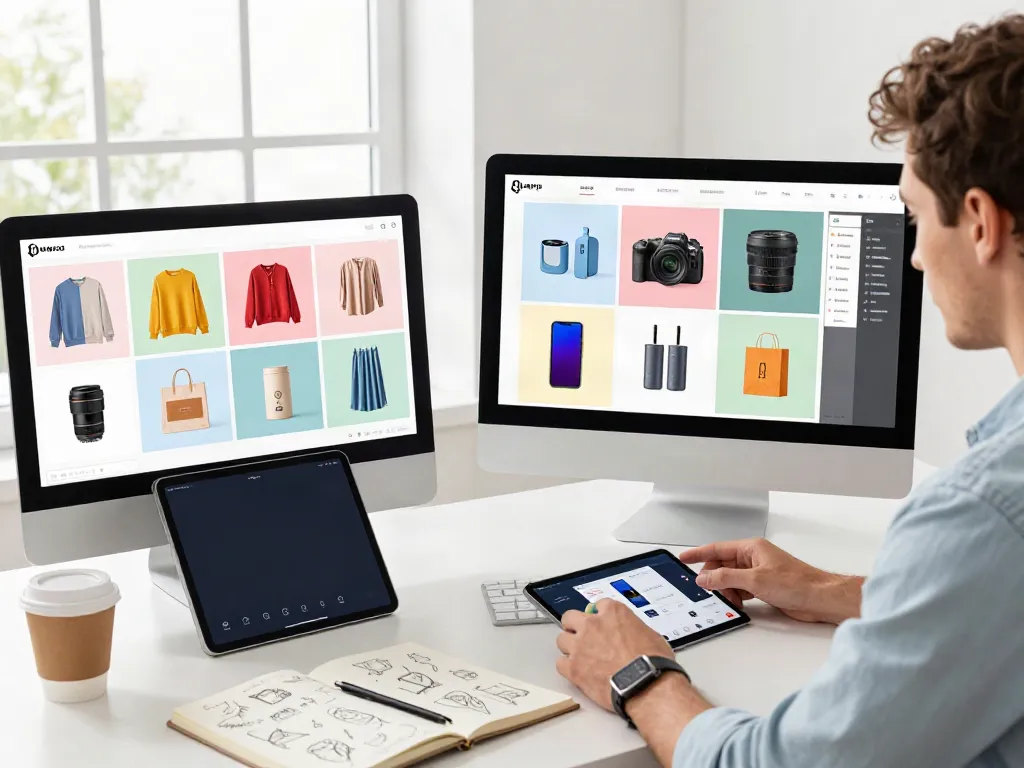
At its core, an AI product photo generator is a software application powered by machine learning algorithms designed to generate high-quality images from minimal input. Brands can input basic images or descriptions of their products, and the AI processes this information to create a variety of beautiful, professional-grade images suitable for use across multiple platforms. These generators often come equipped with capabilities for background removal, styling enhancements, and customizable settings to suit brand aesthetics.
How AI Enhances Product Photography Quality
AI-driven tools not only automate the image creation process but also improve the overall quality of product photography. They can analyze thousands of images to learn what makes an effective product shot—such as lighting, angles, and color schemes. This results in output that is often comparable to traditional studio photography, but at a fraction of the cost and time. Additionally, features like adaptive lighting and background adjustments enable brands to present their products in the best possible light.
Key Features of Leading AI Photo Generators
- Automated Background Removal: This feature allows users to isolate their products by automatically eliminating unwanted backgrounds, saving time on tedious editing tasks.
- Customizable Templates: Many AI generators come with pre-designed templates that can be easily modified to match a brand's identity.
- High-Resolution Output: The best tools offer high-resolution images optimized for web and print usage, ensuring images look professional across all mediums.
- Multi-Angle Generation: Brands can generate multiple angles and views of a product in seconds, providing customers with a comprehensive look at what they’re purchasing.
- Real-time Collaboration: Some platforms allow teams to work together in real-time, enabling immediate feedback and edits to optimize images quickly.
Getting Started with AI Product Photo Generators
Before diving into the world of AI product photography, it’s essential to select the right generator that suits your specific needs. With numerous options available, understanding the capabilities and features of the various tools is crucial to making an informed choice.
Selecting the Right Tool for Your Needs
When evaluating different AI product photo generators, consider factors such as ease of use, integration capabilities with existing systems, and specific features that cater to your business model. Some tools may focus more on e-commerce needs, while others cater to fashion or lifestyle brands. It's crucial to choose a tool that aligns with your branding and visual requirements.
Basic Setup and Configuration Steps
Setting up an AI product photo generator typically involves creating an account, uploading your initial product images, and configuring any specific settings to tailor the output to your brand needs. Many platforms provide step-by-step guides and tutorials to simplify the onboarding process.
Tips for Uploading and Organizing Your Products
- Ensure your initial images are of good quality; this sets a strong foundation for AI enhancements.
- Organize your products into categories to streamline the process and ensure consistency across your visuals.
- Label image files clearly to easily track and manage the generated outputs.
Best Practices for Effective AI-Generated Product Images
Creating stunning product images with AI technology is not just about using the tools effectively; it also involves understanding how to optimize the images for maximum impact on your audience.
Optimizing Images for E-commerce Success
To ensure your AI-generated product images reach their full potential, consider factors such as appropriate sizing, color schemes, and the use of context in your images. Images should be high-resolution, consistent in style, and reflect the actual product to avoid customer disappointment.
Common Mistakes to Avoid During Editing
One of the most common mistakes is relying too heavily on AI without providing any human input. While AI can produce visually stunning images, it may not always capture the subtleties associated with your brand. Always review and tweak AI-generated images to align them with your brand's voice and ethos.
Testing Variations for Higher Engagement
A/B testing different variations of product images can provide insights regarding what resonates most with your target audience. Whether it’s experimenting with different angles, backgrounds, or styles, collecting data on customer engagement can yield valuable feedback to refine your visual content strategy.
Real-World Examples and Case Studies
Understanding how real brands utilize AI product photography can provide both inspiration and insight into best practices and effective strategies.
Success Stories from E-commerce Brands
Numerous e-commerce brands have successfully adopted AI product photography to enhance their online presence. Brands like Fashion Nova and ASOS have leveraged AI-generated visuals to maintain a sleek, professional online catalog, which significantly elevates their marketing efforts and improves conversion rates.
Comparing Traditional vs. AI-Enhanced Photography
Traditional product photography can be time-consuming and expensive due to the need for professional equipment and studio space. In contrast, AI-enhanced photography allows for rapid production of high-quality images at a fraction of the cost, enabling brands to invest more in marketing and customer engagement strategies.
Lessons Learned from Industry Leaders
Industry leaders emphasize the importance of maintaining a balance between AI efficiency and the personal touch that a human eye can provide. AI should complement traditional methods, not completely replace them. This hybrid approach has proven effective in creating compelling visual commerce experiences.
Future Trends in AI Product Photography
As technology continues to evolve, the landscape of AI product photography will also transform, offering new opportunities and challenges for brands.
Emerging Technologies to Watch in 2026
Looking ahead, technologies such as augmented reality (AR) and virtual reality (VR) are expected to play a significant role in how products are presented online. AI will likely integrate with these technologies to create immersive shopping experiences that enhance customer engagement.
The Role of AI in Sustainable Practices
AI can also aid in sustainable practices within the industry by optimizing photography processes, reducing waste, and allowing brands to create stunning images without the need for excessive physical resources. As consumers become more environmentally conscious, brands using AI responsibly can attract a more dedicated customer base.
Predictions for Consumer Preferences in Visual Content
As consumers become increasingly drawn to authenticity, brands that leverage AI to produce relatable, lifestyle-oriented images will likely see greater success. There will be a shift towards customization and personalization in visual content, and AI tools that can offer these capabilities will remain at the forefront of the industry.