Understanding Bacteriostatic Water
What Is Bacteriostatic Water?
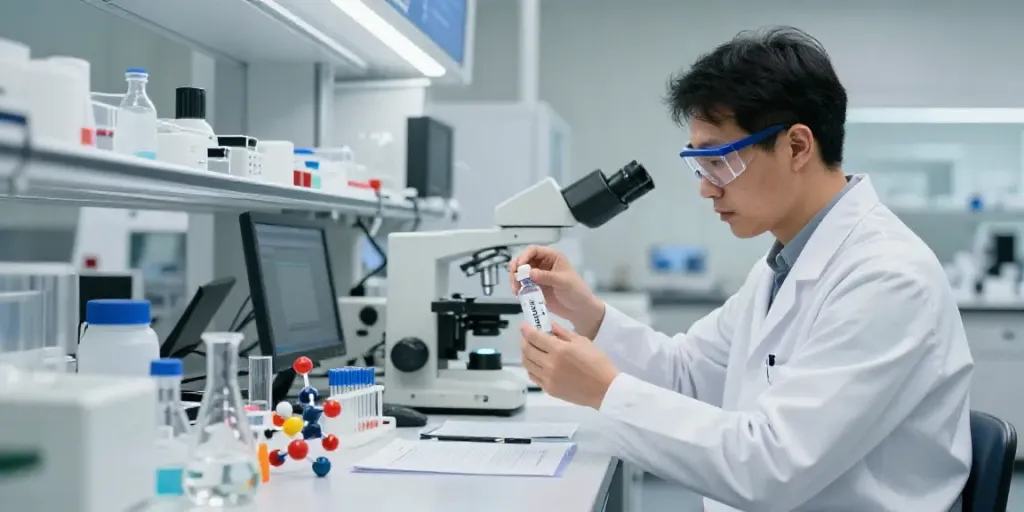
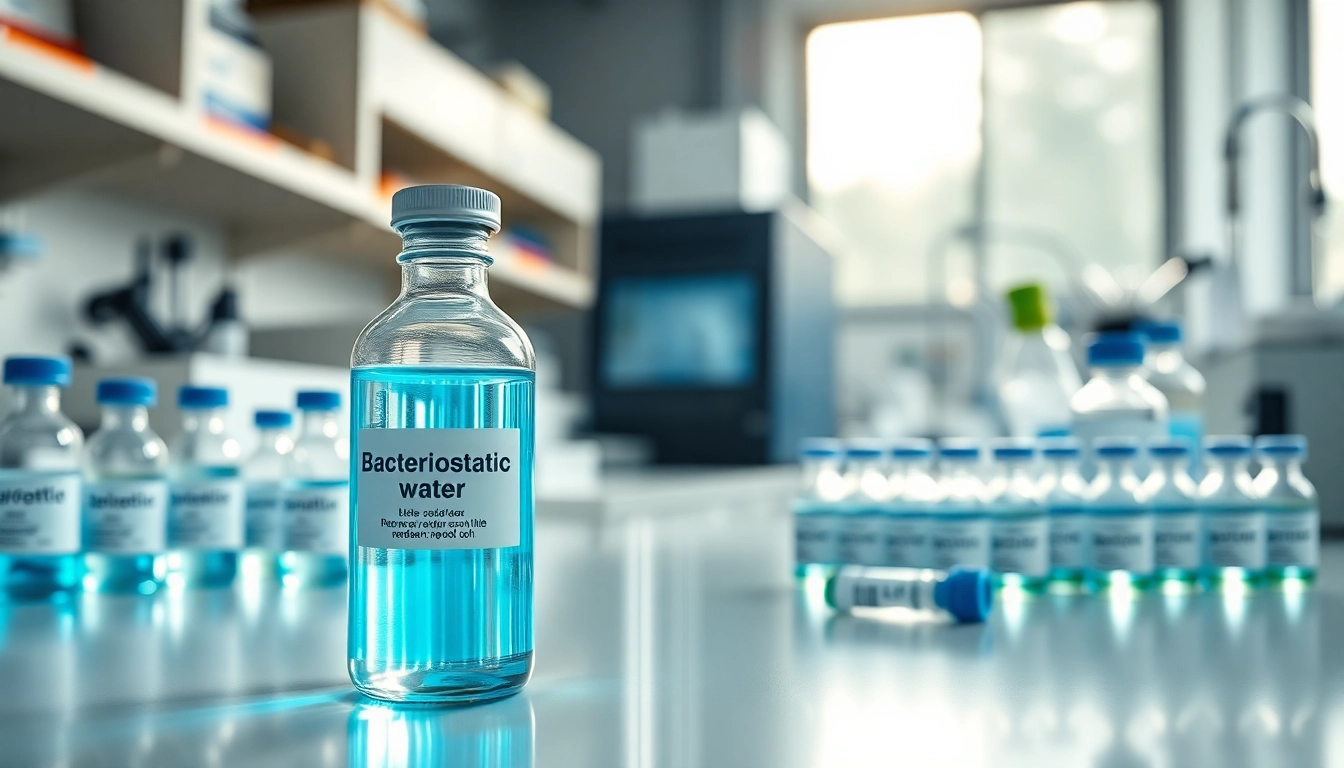
Bacteriostatic water is a sterile water solution that contains a low percentage of benzyl alcohol, a preservative that inhibits the growth of bacteria. This makes it an essential component for diluting or dissolving medications, particularly in research and clinical environments. Bacteriostatic water is commonly used in the preparation of injectable formulations, allowing for safe and extended use of reconstituted substances.
Why Use Bacteriostatic Water?
The primary reason for utilizing bacteriostatic water is its ability to maintain sterility and prevent microbial contamination. In research environments where peptides and other sensitive substances are handled, the risk of contamination can significantly affect outcomes. Using this specific type of water not only enhances the safety of the compounds but also prolongs their usability, often allowing multiple doses from a single vial. For those looking to ensure the integrity of their research peptides, exploring options like hospira bac water can be beneficial.
Common Applications in Research
Bacteriostatic water is widely employed in various research applications, particularly in pharmacology and biomedical fields. Researchers often use it to prepare solutions for injections, reconstitute peptides and hormones, and dilute cytotoxic agents for laboratory experiments. Its ability to inhibit bacterial growth makes it an essential resource in maintaining the sterility of samples, thereby ensuring accurate and reliable research results.
The Importance of Sterility in Research Peptide Storage
Effects of Contamination
Contamination during storage can lead to significant issues in research studies, including compromised data integrity and invalid results. Microbial growth can alter the potency and bioavailability of research peptides, rendering them ineffective or harmful. Even traces of contamination can lead to increased variability in experimental outcomes, which is detrimental for researchers seeking precise and reproducible findings.
Benefits of Using Bacteriostatic Water
Bacteriostatic water provides several benefits that greatly enhance the storage and handling of research peptides. Firstly, its preservative component helps to keep solutions free from bacterial contamination, thus extending the shelf life of reconstituted peptides. Additionally, it reduces the need for frequent handling of sensitive compounds, minimizing the risk of exposure to external contaminants and environmental variables.
Best Practices for Storage
Proper storage of bacteriostatic water and the peptides reconstituted with it is crucial. To maintain sterility, it is recommended to store vials at room temperature away from direct sunlight. If refrigeration is possible, it can further enhance the longevity of the solution. Always ensure that vials are securely capped after use, and minimize exposure to open air. It is advisable to use bacteriostatic water within 28 days after opening for maximum efficacy.
Dosing and Administration Techniques
Selecting the Right Dosage
Determining the correct dosage is pivotal in research involving peptides. Factors influencing the selection process include the specific peptide's characteristics, its desired effects, and the individual's unique response. Researchers often refer to established protocols or conduct preliminary studies to define optimal dosing regimens tailored to their research objectives.
Administration Methods Explained
Multiple administration methods exist for delivering peptides into research subjects or experimental setups, including subcutaneous, intramuscular, and intravenous injectables. Each method has its advantages and potential drawbacks. For example, subcutaneous administration allows for a slower absorption rate, which may be desirable in certain experiments, while intravenous administration provides rapid systemic effects. Understanding these methods is essential for the successful application of peptides in research.
Monitoring Efficacy and Safety
Continuous monitoring is vital to ensure both efficacy and safety when using peptides. Utilizing lab assessments, such as blood tests and behavioral observations, researchers can gather data on how a peptide performs in a given environment. In addition, appropriate safety protocols should be in place to manage any adverse reactions or unexpected outcomes associated with peptide administration.
Analyzing the Stability of Research Peptides
Factors Affecting Peptide Stability
The stability of research peptides can be influenced by several variables, including temperature, pH, concentration, and exposure to light. Peptides, being sensitive biomolecules, can undergo degradation if not stored or handled properly. Researchers must remain vigilant about these factors throughout the research process to maintain peptide integrity.
Impact of Bacteriostatic Water
Using bacteriostatic water can significantly improve peptide stability by providing a controlled environment that minimizes the risk of bacterial growth and enzymatic degradation. When mixed appropriately, bacteriostatic water aids in maintaining the peptide's structural integrity for longer periods, thus contributing to more reliable research outcomes.
Techniques for Testing Stability
Researchers employ various analytical techniques to assess peptide stability, such as High-Performance Liquid Chromatography (HPLC), mass spectrometry, and bioassays. These methods allow for the monitoring of changes in peptide structure and activity over time, facilitating informed decisions about storage and usage.
Frequently Asked Questions About Bacteriostatic Water
How should bacteriostatic water be stored?
Store at room temperature, away from direct sunlight, or refrigerate.
Can bacteriostatic water be reused?
It is generally not recommended to reuse opened vials to avoid contamination.
Is there a shelf life for bacteriostatic water?
Yes, once opened, it is recommended to use it within 28 days for efficacy.
What is the difference between bacteriostatic and sterile water?
Bacteriostatic water contains a preservative, while sterile water does not.
Why is sterilization crucial in peptide research?
It prevents contamination, ensuring the efficacy and safety of the peptides.