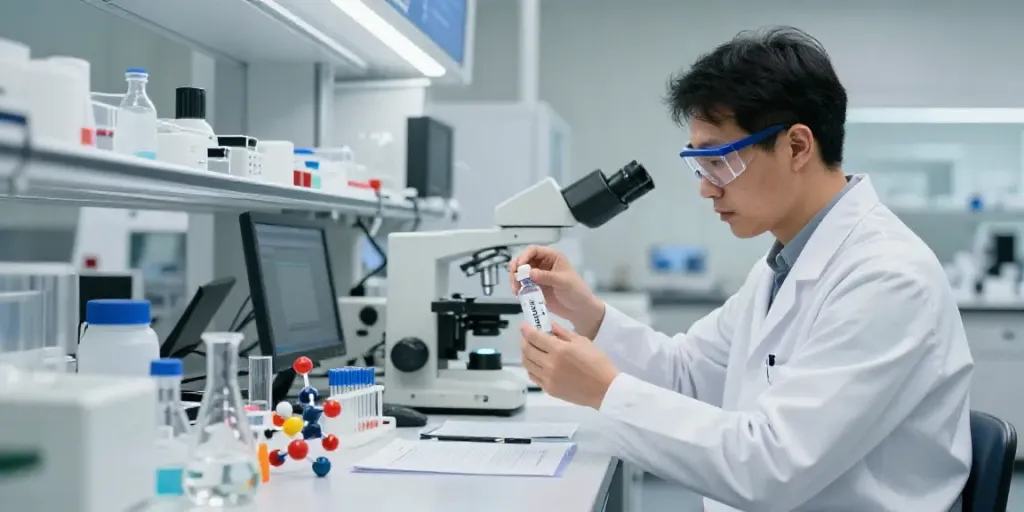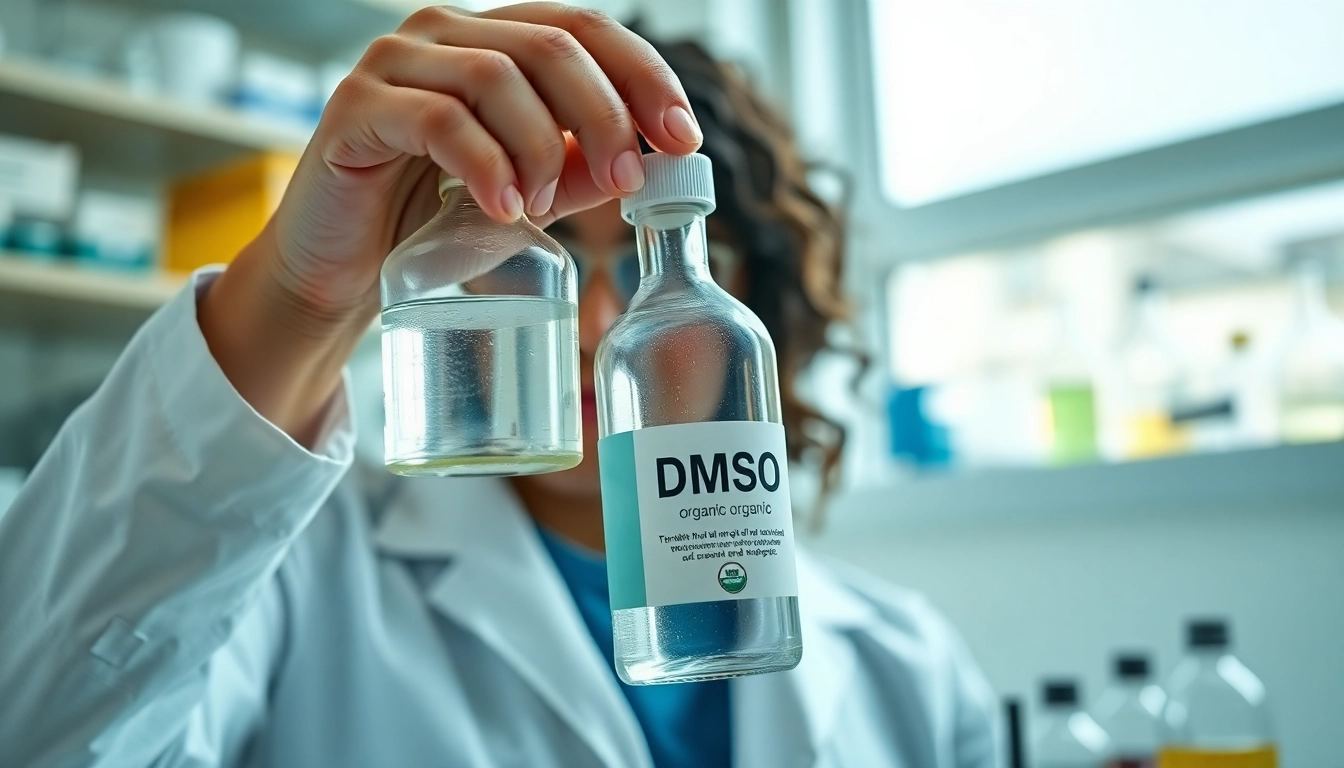
The Basics of DMSO Organic
What is DMSO Organic?
Dimethyl sulfoxide, commonly referred to as DMSO, is an organic solvent derived from lignin, a complex organic polymer found in the cell walls of many plants. DMSO is colorless and has a distinctive taste and odor. Its unique properties enable it to dissolve both polar and nonpolar compounds, making it an invaluable solvent in various industries. While often employed in chemical synthesis and laboratory experiments, it is also gaining traction in medical and therapeutic applications due to its ability to penetrate biological membranes. This characteristic makes dmso organic a versatile agent for drug delivery.
How is DMSO Organic Derived?
DMSO is produced through the oxidative degradation of lignin, a thermal decomposition process whereby lignin, primarily sourced from wood, is transformed into dimethyl sulfoxide. This production method relies heavily on the renewable resources of forest biomass. The process not only preserves the organic integrity of the compound but also aligns with sustainable development practices, making DMSO a preferred choice for environmentally conscious applications. The final product is purified to remove impurities, ensuring a high-quality solvent ideal for both medical and industrial use.
Key Properties of DMSO Organic
- Solvation Properties: DMSO is a polar aprotic solvent, which allows it to solvate a wide range of organic and inorganic substances.
- Low Toxicity: Compared to many organic solvents, DMSO exhibits low toxicity levels, making it safer for various applications.
- Penetration Ability: Its capacity to penetrate biological membranes effectively makes it a valuable solvent in pharmaceutical formulations.
- High Boiling Point: DMSO has a higher boiling point relative to many organic solvents, allowing for use in high-temperature reactions.
Benefits of Using DMSO Organic
Medical and Therapeutic Uses
DMSO's unique properties lend themselves to various medical applications, including its ability to function as a pain reliever and anti-inflammatory agent. Preliminary research has shown that it can be beneficial in treating inflammatory conditions such as arthritis. Additionally, DMSO is utilized in cryopreservation, where it serves as a cryoprotectant for cells and tissues. Its role as a carrier for certain medications enhances drug absorption rates, allowing for more effective treatment strategies.
DMSO Organic in Industry
In industrial settings, DMSO is utilized as a solvent in the manufacturing of pharmaceuticals, cosmetics, and agricultural products. Its effectiveness in maintaining the solubility of various compounds supports the production of active pharmaceutical ingredients (APIs) and commercial products. Furthermore, DMSO is important in plastics production, acting as a processing aid to enhance polymer distribution and stability.
Environmental Benefits of DMSO Organic
DMSO is often regarded as an environmentally friendly solvent due to its biodegradable nature and low environmental impact. Since it is derived from renewable resources, its use helps reduce dependence on fossil fuels. Its ability to efficiently dissolve and stabilize hazardous waste materials also aids in remediation efforts, making it an invaluable asset in environmental protection strategies.
How to Use DMSO Organic Safely
Recommended Dosages and Applications
Understanding the appropriate dosages and applications of DMSO is crucial for both therapeutic and industrial uses. In medical contexts, doses typically range from 50% to 90% concentration, depending on the intended use. It is advisable to work with healthcare professionals to determine the most effective and safe usage for individuals. For industrial purposes, dosing must align with the project's specifications and safety protocols to ensure efficacy and safety.
Potential Side Effects and Precautions
While DMSO is recognized for its therapeutic benefits, it is not devoid of side effects. Users may experience skin irritation, a garlic-like taste, headaches, or allergic reactions in some cases. Diligently following recommended dosages and performing patch tests on the skin before widespread application are vital precautions to minimize adverse effects. Consultation with healthcare providers is always recommended before beginning any new treatment regimen.
Guidelines for External Use
When applying DMSO externally, it's essential to ensure the skin is clean and free from other products, as DMSO can carry substances through the skin barrier. Using it in diluted forms can help reduce the risk of irritation. It is important to consider the specific use case — for instance, chronic pain relief may require different concentrations than those involved in cryopreservation procedures.
DMSO Organic in Research and Industry
Applications in Pharmaceuticals
DMSO's role in pharmaceuticals is expanding, particularly as an excipient in drug formulation. It aids in enhancing the solubility and bioavailability of medications that are otherwise poorly soluble. Furthermore, its utility in clinical trials is noteworthy, as it can facilitate drug delivery systems, allowing for more efficient treatment protocols. Ongoing research continues to explore its potential in novel drug formulations.
DMSO Organic in Organic Chemistry
In organic chemistry, DMSO serves as a versatile reagent. Its ability to stabilize varying oxidation states allows chemists to conduct reactions under milder conditions, leading to higher yields and reduced byproduct formation. Additionally, its role as a solvent in various organic reactions enables reactions that might otherwise be infeasible, thereby expanding the toolkit available to chemists in their synthetic endeavors.
Current Research Trends
Current research on DMSO is directed toward its applications in biotechnology and regenerative medicine. Studies are investigating its use in stem cell research and tissue engineering, where it shows promise as a cryoprotectant. Further trends involve its potential in formulations for transdermal drug delivery systems and its ability to enhance the efficacy of anticancer agents through unique delivery mechanisms.
Frequently Asked Questions About DMSO Organic
Can DMSO Organic Have Side Effects?
Yes, DMSO can cause side effects like skin irritation, garlic-like taste, and headaches. Consultation with a healthcare provider is recommended before use.
Is DMSO Organic Safe for Skin Application?
While DMSO can be applied topically, it's essential to ensure clean skin and consider dilution to reduce the risk of irritation.
Where Can I Buy Quality DMSO Organic?
Quality DMSO can be purchased from reputable suppliers or specialized health stores that focus on pharmaceutical-grade products.
Can DMSO Organic Be Used in Pets?
Yes, DMSO can be used in pets under veterinary guidance, especially for inflammatory conditions, but consult your veterinarian before use.
How to Store DMSO Organic Properly?
DMSO should be stored in a cool, dark place away from light and heat sources to maintain its integrity and effectiveness. Keep it tightly sealed.