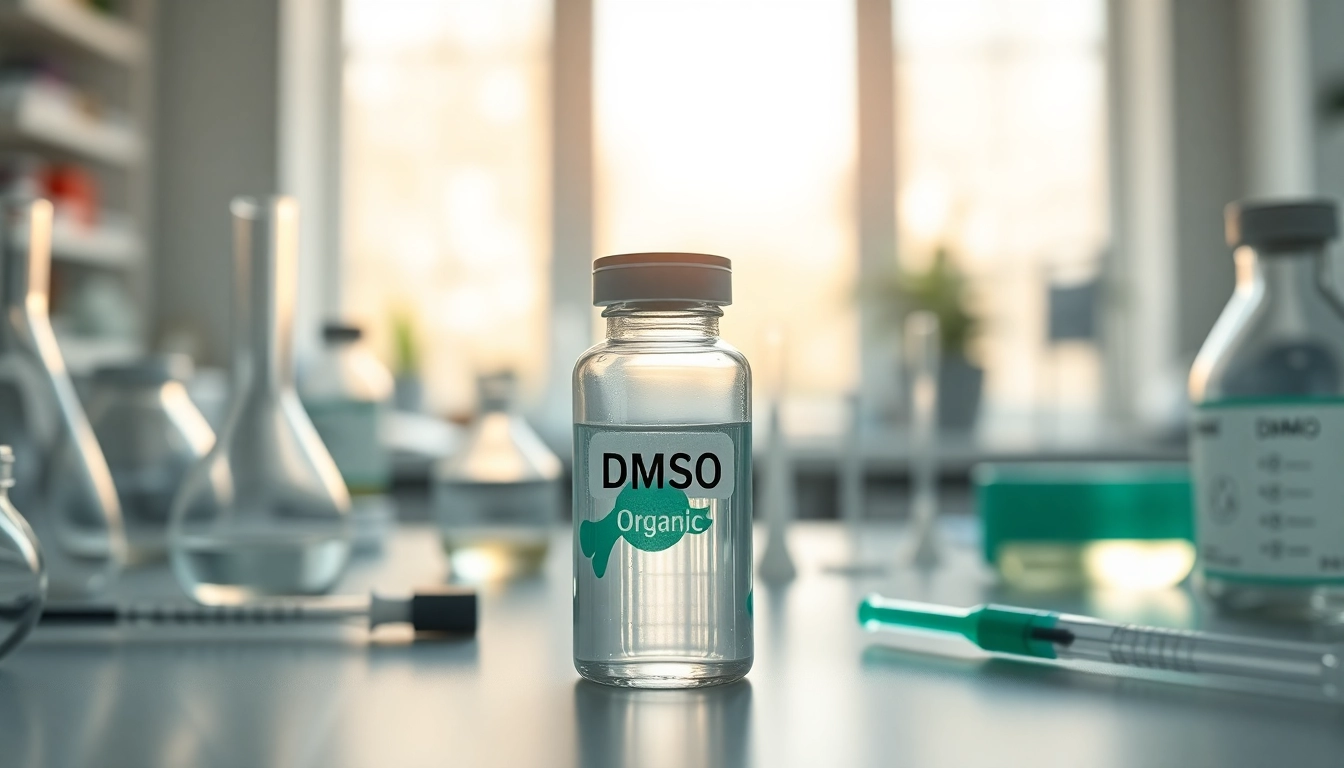
1. What is dmso organic?
1.1 Definition and Composition
DMSO, or dimethyl sulfoxide, is a colorless, organic compound known for its versatility as a solvent. It is derived from lignin, a natural polymer found in the cell walls of plants and trees. This organic molecule is significant in both industrial applications and medical contexts due to its unique chemical properties. As an organic solvent, dmso organic effectively dissolves both polar and nonpolar substances, making it a crucial component in various formulations and processes.
1.2 History of DMSO Organic Use
The discovery of DMSO dates back to the 19th century when chemists first identified the compound as a byproduct of wood pulp processing. It wasn't until the mid-20th century that DMSO gained widespread attention for its solvent abilities and potential therapeutic properties. Initially utilized in research settings, it has become prominent in the fields of pharmacology and medicine, often touted for its anti-inflammatory and analgesic effects.
1.3 Common Applications in Various Industries
DMSO is utilized across multiple sectors, including pharmaceuticals, agriculture, and manufacturing. In pharmaceuticals, it serves as a vehicle for drug delivery, enhancing the absorption of various medications through the skin. The agricultural sector utilizes DMSO for its ability to improve the solubility of pesticides and fertilizers. Additionally, the manufacturing industry employs DMSO as a solvent in the production of plastics and resins.
2. Properties of dmso organic
2.1 Chemical Characteristics and Solvent Abilities
DMSO is known for its high polarity and ability to dissolve a vast array of organic and inorganic compounds. This property allows it to serve effectively as a solvent in laboratory and industrial applications. DMSO can penetrate biological membranes, which is particularly beneficial in pharmaceutical applications to enhance drug bioavailability. Its low toxicity profile and ability to mix with both water and lipid-based solvents make it unique among solvents.
2.2 Safety and Toxicity Considerations
While DMSO is generally regarded as safe when used appropriately, it can carry contaminants through the skin, raising safety concerns. When applying DMSO topically, it is crucial to ensure that the skin is clean and free from harmful substances. Adverse effects, while uncommon, may include skin irritation or allergic reactions. Research into DMSO's long-term safety is ongoing, underlining the importance of using high-purity products for any application.
2.3 Comparison with Other Solvents
In comparison to other organic solvents, such as acetone and ethanol, DMSO offers superior solubility properties and lower volatility. While many solvents evaporate quickly, facilitating easy cleanup but potentially limiting effectiveness, DMSO remains stable, allowing prolonged exposure to substrates. Its unique ability to dissolve polar and nonpolar compounds equates to a wider range of applications than many other solvents in the market.
3. Health Benefits of dmso organic
3.1 Anti-Inflammatory Properties
DMSO has been extensively studied for its anti-inflammatory effects, making it a candidate for treating conditions like arthritis and muscle strain. Research has shown its ability to decrease inflammatory markers, leading to reduced pain and swelling in affected areas. Its application in topical formulation is maximized when combined with other therapeutic agents to enhance their effects.
3.2 Pain Relief Mechanisms
The pain-relieving capabilities of DMSO stem from its ability to act on pain receptors and modulate nerve impulses. By inhibiting the production of certain pro-inflammatory mediators, DMSO can diminish the sensation of pain. Patients suffering from chronic pain conditions have reported relief after using DMSO-based treatments, though dosages and combinations can vary widely based on individual needs and medical advice.
3.3 Potential Therapeutic Uses
Beyond inflammation and pain relief, DMSO has potential applications in wound healing, neurological disorders, and even certain types of cancer therapies. Its unique penetrating ability allows for the delivery of other therapeutic agents directly to targeted tissues. Studies are ongoing to refine these applications and ascertain efficacy across a variety of clinical settings.
4. How to Use dmso organic Safely
4.1 Dosage and Preparation Guidelines
When using DMSO topically, start with a concentration of 70-90% purity for the best results. It's advisable to perform a patch test on a small area of skin to gauge reactions before widespread application. Always mix DMSO with other compounds under sterile conditions to avoid contamination. Consult a healthcare professional for personalized dosage guidelines, especially if combining with other medications.
4.2 Application Methods for Optimal Effect
DMSO can be applied directly to the skin or mixed with other substances for enhanced efficacy. For pain conditions, applying it as a compress may provide targeted relief. Additionally, enteric-coated capsules can be an effective means of delivering DMSO for internal usage, although research is necessary to confirm optimal formulations. Always ensure that application methods respect the concentration and individual safety precautions.
4.3 Understanding Side Effects and Precautions
Though DMSO has a favorable safety profile, users should be aware of potential side effects. These may include skin irritation, allergic reactions, or systemic effects in sensitive individuals. Maintain awareness of local skin conditions and avoid contact with harmful substances close to the application area. Continuous monitoring during use can help mitigate adverse effects.
5. Future of dmso organic in Research and Industry
5.1 Ongoing Research Trajectories
Research into the new applications and mechanisms of DMSO is active, with ongoing studies exploring its potential in areas such as regenerative medicine and cancer therapeutics. Collaboration among chemists, biologists, and medical professionals is paving the way for more nuanced insights into its behavior in biological systems. This multifaceted approach aims to establish DMSO as a staple in therapeutic applications.
5.2 Trends in Market Demand
The market for DMSO is expected to grow significantly as its therapeutic benefits are better understood and publicized. Increased awareness among healthcare providers and patients about the compound's versatility is likely to drive demand. The expansion of research initiatives and the movement towards organic and natural solutions in healthcare will further bolster its market presence.
5.3 Innovations and Sustainable Alternatives
With a growing emphasis on sustainability, researchers are also exploring the use of bio-sourced alternatives and methods for producing DMSO. Innovations in production can help reduce ecological footprints while maintaining efficacy. Future developments in DMSO formulations may involve less harmful additives or enhancements derived from other natural compounds, keeping pace with the increasing demand for green chemistry practices.
Frequently Asked Questions
1. Can DMSO be used for any skin issues?
DMSO can help alleviate inflammation and pain, but it should be used cautiously on skin conditions. Always consult a healthcare professional first.
2. Is DMSO effective for arthritis pain?
Yes, DMSO has shown promise in reducing inflammation and pain associated with arthritis when applied topically.
3. How does DMSO work in the body?
DMSO penetrates biological membranes and modulates pain receptors, leading to decreased sensations of pain and inflammation.
4. Are there any side effects of using DMSO?
Potential side effects include skin irritation and allergic reactions. It is essential to perform a patch test before full application.
5. Can DMSO be used in combination with other medications?
Yes, but it is crucial to consult a healthcare professional to ensure safety and efficacy when combining DMSO with other treatments.