Introduction to Bacteriostatic Water
Bacteriostatic water is a sterile water solution that includes a bacteriostatic agent, typically benzyl alcohol, which prevents microbial growth. This essential substance is widely utilized in medical and research settings to prepare and dilute various injectable medications and biologics. One such product is hospira bac water, renowned for its reliability and effectiveness in providing a safe environment for handling sensitive compounds, especially peptides.
What is Bacteriostatic Water?
Bacteriostatic water is a sterile form of water used for diluting or dissolving medications for injection. It is essential in medical, research, and pharmaceutical applications to maintain sterility and prevent the growth of bacteria and fungi. The addition of a bacteriostatic agent like benzyl alcohol allows it to be shelf-stable for extended periods, making it suitable for multiple-use applications.
Uses in Medical and Research Fields
Bacteriostatic water has diverse applications in both medical and research fields. In healthcare, it is primarily used to dilute medications that are incompatible with standard saline solutions or those that require a specific pH level. In research laboratories, particularly in the fields of pharmacology and peptide studies, it facilitates the preparation of solutions and ensures that compounds remain free from microbial contamination, allowing for accurate and reliable results in experiments.
Key Characteristics and Composition
The primary components of bacteriostatic water are sterile water and a bacteriostatic agent. While the exact formulation can vary, the typical concentrations involve sterile water for injection and 0.9% benzyl alcohol. It is crucial that the solution is free from particulate matter and pyrogens, ensuring its suitability for intravenous, intramuscular, or subcutaneous injections.
Importance of Sterility in Research
Maintaining sterility in research settings is paramount, especially for experiments involving peptides and biological samples. Contamination can compromise research integrity, leading to unreliable results and potentially dangerous consequences for human applications.
The Risks of Contamination
Contamination poses significant risks, including skewed experimental outcomes, invalid conclusions, and increased timelines for research due to the need for repeated experiments. Moreover, microbial contamination can lead to adverse reactions when the contaminated samples are administered, emphasizing the need for rigorous sterility standards.
Best Practices for Maintaining Sterility
To maintain sterility, researchers should adhere to aseptic techniques, such as working in a laminar flow hood, using sterile equipment, and regularly disinfecting surfaces. Additionally, it’s essential to properly store bacteriostatic water, such as hospira bac water, in a cool, dry place away from direct light to preserve its integrity and efficacy.
Role of hospira bac water in Sample Preparation
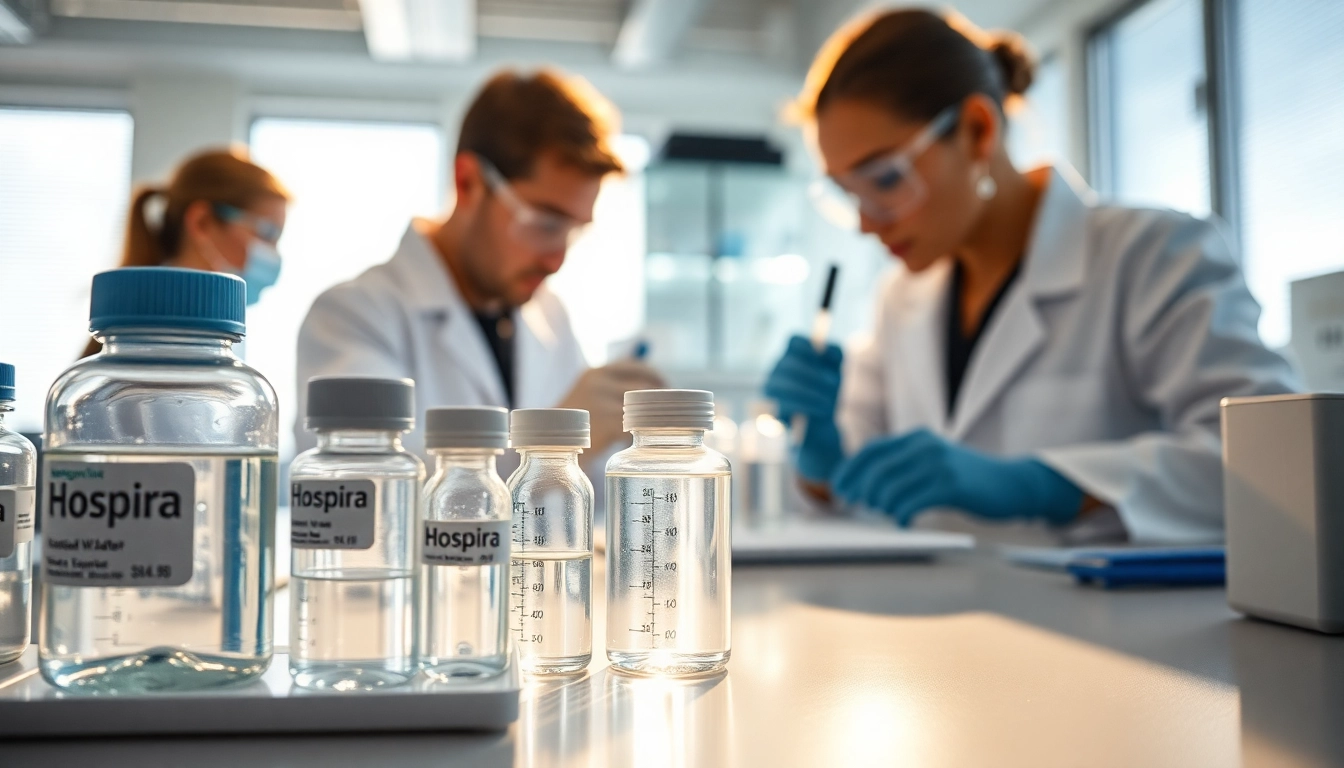
Hospira bac water plays a crucial role in preparing samples for experiments by providing a sterile medium for diluting peptides and other compounds. Its use enhances the stability of sensitive biological molecules and is critical in ensuring that these samples remain uncontaminated throughout the experimental process.
Application of Bacteriostatic Water in Peptide Research
The application of bacteriostatic water, particularly hospira bac water, is vital in peptide research due to its role in preserving peptide stability and ensuring proper formulation during laboratory procedures.
How hospira bac water Affects Peptide Stability
Bacteriostatic water helps maintain the stability of peptides by adjusting the pH and providing an appropriate ionic strength for the solubilization of these molecules. This is essential for preventing degradation and maintaining the functionality of the peptides during storage and experimentation.
Combining hospira bac water with Different Peptides
When used with various peptides, it is important to consider the compatibility of the solvent with the specific peptide of interest. The presence of benzyl alcohol in hospira bac water can enhance solubility and stability, making it a preferred choice for many researchers working with different peptide formulations.
Laboratory Protocols Using Bacteriostatic Water
Common laboratory protocols that incorporate bacteriostatic water include reconstitution of lyophilized peptides, dilution of concentrated solutions, and preparation of stock solutions for assays. Following specified protocols can ensure that experimental conditions are standardized, leading to more reliable and reproducible results.
Potential Challenges & Solutions
While bacteriostatic water is essential in many laboratory settings, researchers may encounter challenges related to its use and peptide stability.
Common Issues with Bacteriostatic Water
Some common issues include proper storage and potential for contamination during handling. Ensuring that all equipment is sterile and that the storage environment is optimal can help mitigate these concerns. Additionally, unanticipated interactions between peptides and the bacteriostatic agent may require adjustments in protocols.
Addressing Peptide Degradation
To effectively prevent peptide degradation, it is crucial to monitor the conditions under which peptides are stored, including temperature and light exposure. Using hospira bac water to reconstitute peptides should be done in a controlled environment, and any unused solutions should be promptly discarded to avoid potential degradation.
Solutions for Optimal Use in Research
Optimizing the use of bacteriostatic water involves regular training on aseptic technique for laboratory personnel, implementing strict adherence to storage guidelines, and performing routine checks on the integrity of stored peptides and solutions. Establishing a clear research protocol that includes the use of hospira bac water as a solvent can further enhance research outcomes.
FAQs about Bacteriostatic Water
What is the shelf life of hospira bac water?
Hospira bac water typically has a shelf life of 24 months when stored properly, ensuring its effectiveness for research and medical applications.
Can hospira bac water be used for all peptides?
Yes, it can be used for various peptides, but compatibility should be verified with specific peptide requirements before use.
How should hospira bac water be stored?
Store hospira bac water in a cool, dry place away from light to maintain its potency and effectiveness over time.
Is bacteriostatic water safe for injection?
Yes, bacteriostatic water, including hospira bac water, is designed for injection and is safe when used as intended in clinical settings.
Can hospira bac water cause side effects?
While side effects are rare, they may occur; consult a healthcare professional if side effects are experienced or if there are concerns about its use.