Understanding Financial Data Providers in Crypto
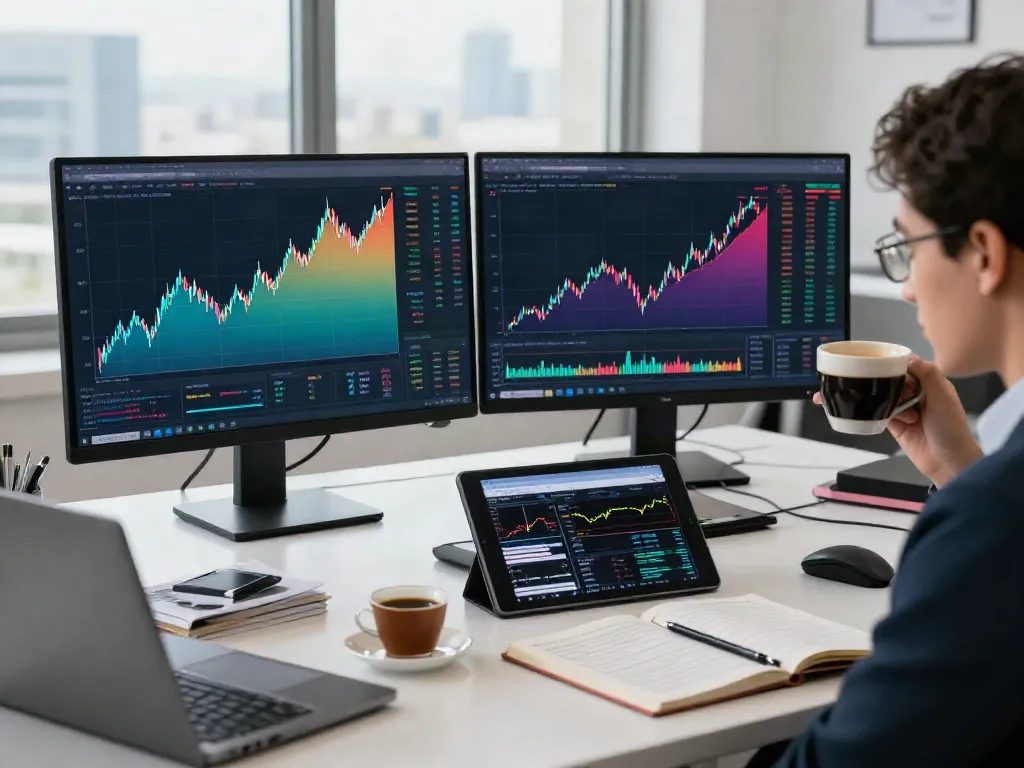
As blockchain technology continually evolves, the demand for accurate, real-time financial data has become paramount for developers, traders, and organizations in the cryptocurrency space. A financial data provider serves as a critical intermediary, ensuring that traders have access to the essential data necessary to make informed decisions. With the variety of cryptocurrencies and the rapid pace at which the market changes, robust and reliable data sources are vital for navigating today’s volatile trading landscape.
When exploring options, 金融データプロバイダー 日本 provides comprehensive insights into the market trends and asset performance across various exchanges worldwide.
What is a Financial Data Provider?
A financial data provider is a company or service that aggregates and supplies market data for various asset classes, including equities, fixed-income instruments, currencies, and cryptocurrencies. They specialize in delivering real-time and historical data feeds that help market participants make educated trading decisions. Key players in this sector offer access to order book data, price changes, volume metrics, and news feeds from multiple exchanges.
The Role of Financial Data in Cryptocurrency
In the cryptocurrency market, financial data serves multiple critical roles. Traders utilize data to analyze price trends, perform technical analysis, and assess market sentiment. This information enables them to develop effective trading strategies, such as when to enter or exit trades. Moreover, institutional investors rely on comprehensive data to structure their portfolios and manage risks stemming from volatile price fluctuations.
How Providers Ensure Data Accuracy
Data accuracy is vital in financial markets, especially in cryptocurrency, where each second can impact trading outcomes. Providers employ various methodologies, including automated systems, thorough validation processes, and real-time monitoring, to ensure data integrity. By leveraging techniques like reconciliation with primary trading venues, they maintain up-to-date and correct information, significantly reducing the risk of making trading decisions based on erroneous data.
Real-Time Market Data for Better Trading
In trading, timing is everything. Real-time data allows traders to respond promptly to market fluctuations, enhancing their ability to capitalize on short-lived opportunities. Here are several benefits of real-time market data:
Benefits of Real-Time Data in Trading Decisions
- Timeliness: Immediate access to price changes enables traders to execute trades faster than competitors.
- Market Sentiment: Real-time data feeds provide insights into trading volume and order direction, reflecting market sentiment.
- Technical Analysis: Traders can apply technical analysis techniques using the latest price data to identify trends and patterns.
Comparing Data Providers: Features and Performance
When selecting a financial data provider, it’s essential to compare various features. Factors like data coverage, speed, accuracy, and user-friendliness of APIs should be evaluated. Providers that support WebSocket and RESTful APIs typically offer better performance for developers integrating real-time data into their applications.
Integrating APIs for Seamless Data Access
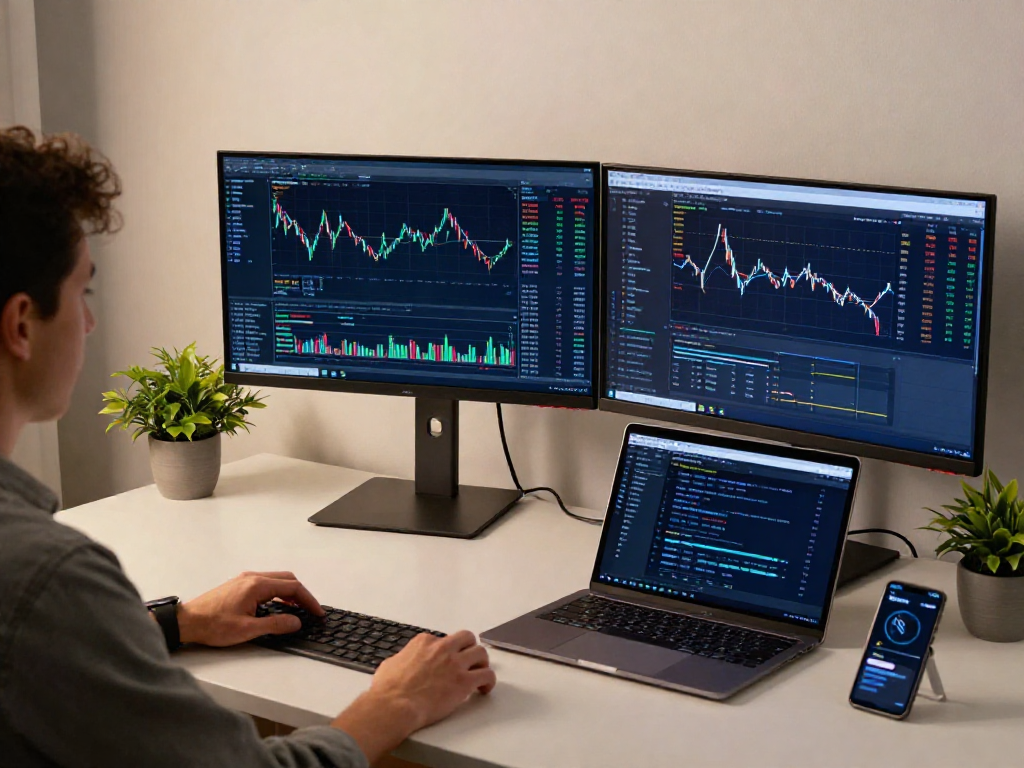
Modern trading platforms leverage APIs to provide streamlined access to real-time data. APIs facilitate the connection between trading software and data providers, enabling automated trading systems to function effectively. With the right API, users can retrieve essential market information, including price quotes and historical performance, allowing for improved decision-making and strategy implementation.
Security Essentials for Crypto Trading
As digital assets play a more significant role in finance, security remains a paramount concern. Implementing robust security measures is critical in safeguarding investments in cryptocurrency.
Understanding Blockchain Security Standards
Blockchain technology operates on security protocols designed to protect transactions and user data. The principles of cryptography, including public and private key systems, ensure that only authorized participants can access transaction details. Additionally, consensus mechanisms like Proof of Work (PoW) and Proof of Stake (PoS) strengthen network integrity by requiring participants to validate transactions before they are recorded on the blockchain.
Best Practices for Securing Crypto Wallets
Utilizing secure wallet types is essential for safeguarding cryptocurrency. Hardware wallets, such as Ledger or Trezor, offer superior security as they store keys offline, reducing exposure to online threats. Conversely, software wallets must employ strong passwords, and two-factor authentication (2FA) for added security. Users should always conduct regular backups of critical wallet information to prevent loss in case of hardware failure.
Avoiding Common Crypto Scams and Risks
Awareness of potential scams is crucial for any cryptocurrency investor. Common threats include phishing attempts to access personal information, pump-and-dump schemes, and fraudulent initial coin offerings (ICOs). Educating oneself on recognized tactics used by scammers can significantly mitigate risks associated with trading.
Advanced Trading Strategies with Financial Data
Investors utilizing financial data for advanced trading strategies can enhance both their understanding and execution in the market. Here’s how data-driven approaches can lead to better outcomes.
Technical Analysis Techniques for Crypto Investors
Technical analysis focuses on historical price movements to forecast future trends. Leveraging tools such as moving averages, Relative Strength Index (RSI), and Moving Average Convergence Divergence (MACD) can help traders identify optimal entry and exit points, enhancing profitability.
Using Historical Data for Market Predictions
Armed with historical performance data, traders can analyze patterns and draw conclusions about potential future movements. Historical data is particularly valuable during volatile periods, aiding traders in predicting price direction based on past trends.
Leveraging DeFi for Enhanced Returns
Decentralized Finance (DeFi) has opened new avenues for investment, often offering higher returns compared to traditional finance. By engaging in liquidity pools, yield farming, and staking, users can amplify their investment returns significantly, albeit with associated risks. Understanding the mechanisms behind DeFi protocols is vital for effectively capitalizing on these opportunities.
Future Trends in Financial Data Provisioning
As financial markets continue to evolve, staying abreast of emerging trends in data provisioning is essential for both investors and developers.
Emerging Technologies in Financial Data
Technological advancements in artificial intelligence (AI) and machine learning (ML) have begun to shape how financial data is analyzed and utilized. These innovations provide advanced predictive analytics capabilities, allowing users to make data-driven decisions faster than ever.
The Impact of AI on Data Accuracy and Insights
AI algorithms can identify patterns in vast datasets that humans could overlook, enhancing predictive accuracy. As financial data providers continue to integrate AI into their systems, users stand to benefit from more insightful analytics that drive better trading decisions.
Regulatory Considerations for Data Providers in 2026
As regulations regarding financial data evolve globally, compliance will become increasingly critical. Data providers will need to navigate regulations such as the MiCA (Markets in Crypto-Assets) and adhere to strict standards for data accuracy and privacy.
What data do financial data providers typically offer?
Financial data providers generally offer various datasets, including market prices, order book data, trading volumes, historical price charts, and news sentiment analysis, which are all crucial for informed decision-making.
How do I choose the right financial data provider for my needs?
Determining the right financial data provider depends on factors such as the type of assets traded, required data granularity, compatibility with existing systems, and projection reliability.
What are the risks associated with trading crypto?
Trading cryptocurrency can involve high volatility and substantial risk. Investors should conduct thorough research and only invest funds they can afford to lose, as market conditions can change unexpectedly.
Can I integrate financial data APIs into my trading platform?
Most financial data providers offer integration through well-documented APIs. Engaging with these APIs can enable real-time data access, empowering traders to build customized trading solutions.
What new trends in financial data should investors watch in 2026?
Investors should stay updated on trends including the intersection of DeFi and traditional finance, advancements in predictive analytics through AI, and the evolution of regulatory frameworks that will impact the trading landscape.