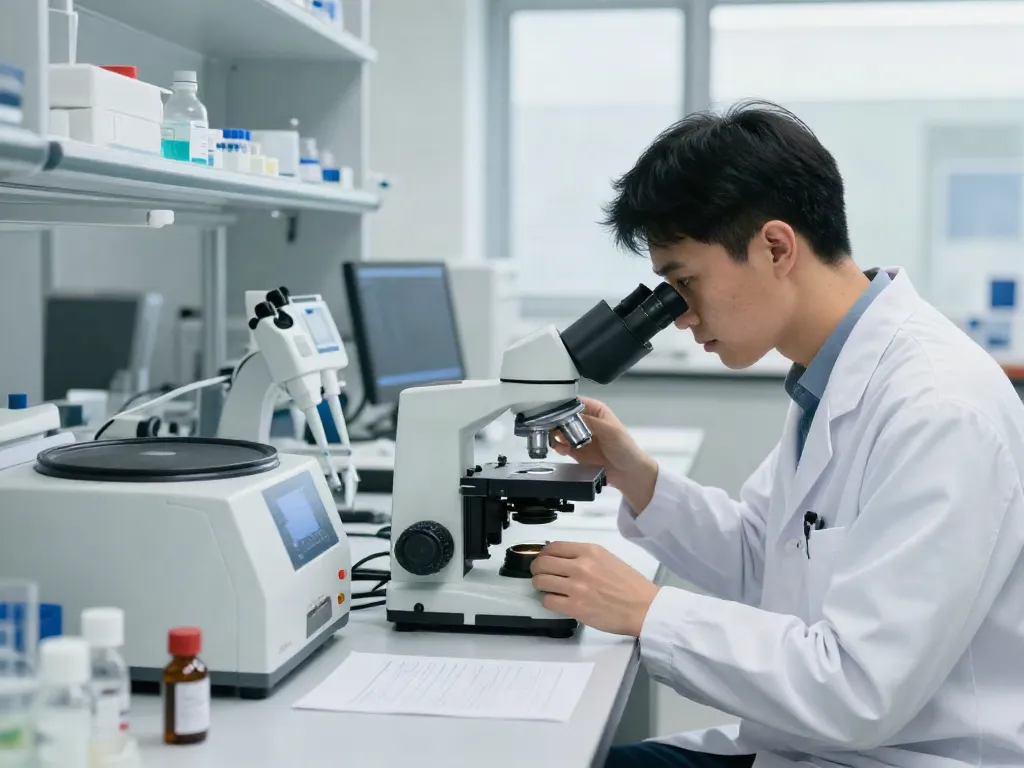
Understanding NAD+ Peptide: Core Concepts and Definitions
Nicotinamide Adenine Dinucleotide (NAD+) peptide is gaining immense popularity in laboratory research due to its key roles in cellular energy metabolism and signaling pathways. As an essential coenzyme present in all living cells, NAD+ is integral for various biochemical reactions that involve energy production and DNA repair. With advancements in research methodologies and a growing focus on the biochemical underpinnings of longevity, the study of NAD+ peptides has opened new frontiers in understanding cellular health and regenerative medicine. When exploring options, nad+ peptide provides comprehensive insights into these complex biological processes.
What is NAD+ Peptide and Its Importance?
NAD+ peptide refers to the oxidized form of nicotinamide adenine dinucleotide, which plays a vital role in redox reactions in the body. This compound is crucial in converting nutrients into energy, thereby affecting overall cellular functionality. NAD+ acts as a cofactor for enzymes within the sirtuin family, which are important for regulating cellular processes such as aging and stress responses. The peptide variant of NAD+ is particularly studied for its enhanced absorption and utilization in tissues, making it a valuable compound in various research applications.
The Role of NAD+ in Cellular Energy Production
The primary function of NAD+ is to facilitate the transfer of electrons in metabolic pathways, which leads to the production of adenosine triphosphate (ATP) — the energy currency of the cell. Within the mitochondria, NAD+ plays a crucial role in the citric acid cycle and oxidative phosphorylation, processes that are essential for aerobic respiration. Moreover, the depletion of NAD+ levels has been linked to several age-related conditions, which emphasizes the importance of maintaining optimal levels of this coenzyme for sustaining energy metabolism and promoting cellular health.
Key Applications of NAD+ in Laboratory Research
- Longevity Studies: NAD+ has been explored for its potential role in increasing lifespan and promoting cellular health as organisms age.
- Metabolic Pathways Analysis: Research on NAD+ allows scientists to understand better the biochemical pathways related to metabolism and energy production.
- Neuroprotection: NAD+ has potential implications for treating neurodegenerative diseases by supporting neuronal health and function.
The Scientific Analysis of NAD+ Peptide
One of the cornerstones of scientific research into NAD+ peptides is the rigorous testing and validation of their purity and efficacy. Understanding how NAD+ is synthesized, analyzed, and confirmed through independent testing protocols is essential for researchers and industry professionals alike.
Independent Testing and Certificate of Analysis
A Certificate of Analysis (CoA) is crucial for verifying the authenticity and quality of research compounds. Each batch of NAD+ peptide undergoes stringent testing by third-party laboratories to ensure it meets the required purity standards necessary for advanced in-vitro laboratory research. These independent analyses help scientists trust the compounds they work with, thereby enhancing the reliability of their findings.
Methods of Testing Purity: HPLC and Mass Spectrometry
High-Performance Liquid Chromatography (HPLC) and Mass Spectrometry are the two primary analytical techniques used to assess the purity of NAD+ peptides. HPLC allows for the separation and quantification of compounds in a mixture, providing critical data on the purity levels of NAD+. Conversely, Mass Spectrometry provides information on the molecular weight and structure of NAD+, facilitating the confirmation of its identity. Together, these methods ensure that researchers receive compounds that are not only effective but also safe for scientific study.
Understanding the Data: Interpreting Results from Analysis
Interpreting the data obtained from HPLC and Mass Spectrometry can be complex but is vital for effective research outcomes. Understanding peak retention times, purity percentages, and molecular mass differences enables researchers to gain insights into the quality of NAD+ peptides. This data aids in adjusting research protocols and ensuring that the research conducted is based on robust and reliable compounds.
Applications of NAD+ Peptide in Research
The applications of NAD+ peptides in laboratory research continue to expand as scientific inquiry into its mechanisms deepens. Researchers are utilizing NAD+ in multiple domains, including bioenergetics and regenerative medicine, to explore innovative pathways in health and longevity.
Research in Longevity and Bioenergetics
NAD+ has been recognized for its role in not just energy production but also in regulating genes associated with longevity. Studies suggest that enhancing NAD+ levels can activate sirtuins, which are proteins that play a significant role in aging. Exploring NAD+ peptides can provide insights into potential interventions that may extend healthspan and reduce the effects of aging on cellular function.
Impacts on Metabolic Pathways: An Overview
The influence of NAD+ on metabolic pathways is profound. It acts as a metabolic sensor, linking energy status to cellular responses and helping to maintain homeostasis. Research indicates that altered NAD+ levels can affect metabolic syndromes and diseases such as obesity and diabetes. Understanding these pathways can lead to targeted therapies that help manage these prevalent health issues through modulation of NAD+ levels.
Case Studies: Successful Implementations of NAD+ Peptide
Several studies illustrate the successful application of NAD+ peptides in regenerative medicine. For example, research has shown that NAD+ supplementation can improve mitochondrial function in aging tissues, enhance muscle regeneration, and promote overall cellular repair mechanisms. These case studies highlight the potential of NAD+ peptides in developing treatments for conditions associated with aging and metabolic dysfunction.
Challenges and Considerations in NAD+ Peptide Research
While the potential benefits of NAD+ peptides are compelling, researchers must navigate various challenges and considerations in this fast-evolving field.
Common Misconceptions in the Use of NAD+ Peptides
There are numerous misconceptions regarding the use of NAD+ peptides, including their safety and efficacy in non-research applications. It is essential to communicate that these peptides are intended strictly for scientific research, not for human consumption or therapeutic use. Clarifying these misconceptions can enhance understanding and ensure responsible use in laboratory settings.
Addressing Ethical Concerns in Laboratory Settings
Ethical concerns regarding the use of NAD+ peptides in experiments must be considered. Researchers are responsible for ensuring that all studies comply with ethical guidelines, particularly when it comes to utilizing animal subjects or human-derived cells. Establishing clear ethical frameworks will help mitigate risks and promote responsible research practices.
Future Challenges for Researchers Working with Peptides
As the field progresses, researchers may face challenges related to regulatory compliance, funding constraints, and the reproducibility of results. Developing interdisciplinary collaborations and sharing resources can mitigate some of these challenges, fostering a more robust research environment for NAD+ peptides.
Future Trends in NAD+ Peptide Research and Development
The future of NAD+ peptide research looks promising, with numerous trends emerging that could shape its trajectory in the coming years.
Innovations in NAD+ Peptide Applications for 2026
Innovative research is likely to expand the applications of NAD+ peptides in therapies and interventions targeting age-related diseases. Advances in formulations that enhance bioavailability and tissue targeting are expected to emerge, increasing the effectiveness of NAD+ in therapeutic contexts.
Predictions for the Evolving Landscape of Peptide Research
As research progresses, it is anticipated that the landscape of peptide research will become increasingly competitive, with a focus on personalized medicine. Tailoring NAD+ treatments to individual metabolic profiles may become standard practice in addressing metabolic diseases and aging.
The Role of NAD+ Peptides in Advancing Scientific Discovery
NAD+ peptides are positioned to play a pivotal role in advancing scientific discovery, particularly in the realms of molecular biology and genetics. As researchers continue to elucidate the mechanisms by which NAD+ influences cellular processes, the potential for developing groundbreaking therapies will expand, thereby enhancing our understanding of health and longevity.
What do NAD+ peptides do for you?
NAD+ peptides are believed to enhance energy levels, improve mental clarity, and potentially contribute to longevity by influencing cellular repair and regeneration processes. Their role in supporting mitochondrial function and metabolic pathways makes them a significant focus in scientific studies aimed at improving overall health.
What is the downside of taking NAD+?
While NAD+ peptides offer promising benefits, there are potential downsides to their use. Some individuals may experience side effects, particularly if taken outside of a research context. It's critical to adhere to guidelines and ethical considerations regarding their use to avoid adverse scenarios.
Why do I feel so good on NAD?
Many users report feeling increased energy and mental clarity when using NAD+ peptides, which can be attributed to enhanced mitochondrial function and metabolic efficiency. However, these experiences are primarily based on anecdotal evidence in non-research settings, emphasizing the need for controlled studies to verify these effects.
What happens when you take NAD+ every day?
Regular intake of NAD+ peptides in research settings may lead to sustained energy levels and improved cellular repair mechanisms; however, long-term effects remain unclear, and such usage is not recommended outside of laboratory research. Continuous research is necessary to fully understand the implications of daily NAD+ supplementation.
How do NAD+ peptides work in cellular processes?
NAD+ peptides operate by serving as coenzymes in redox reactions, facilitating energy production and metabolic processes essential for cell survival. Their involvement in activating sirtuins and other metabolic regulators positions them as vital players in cellular health and maintenance.