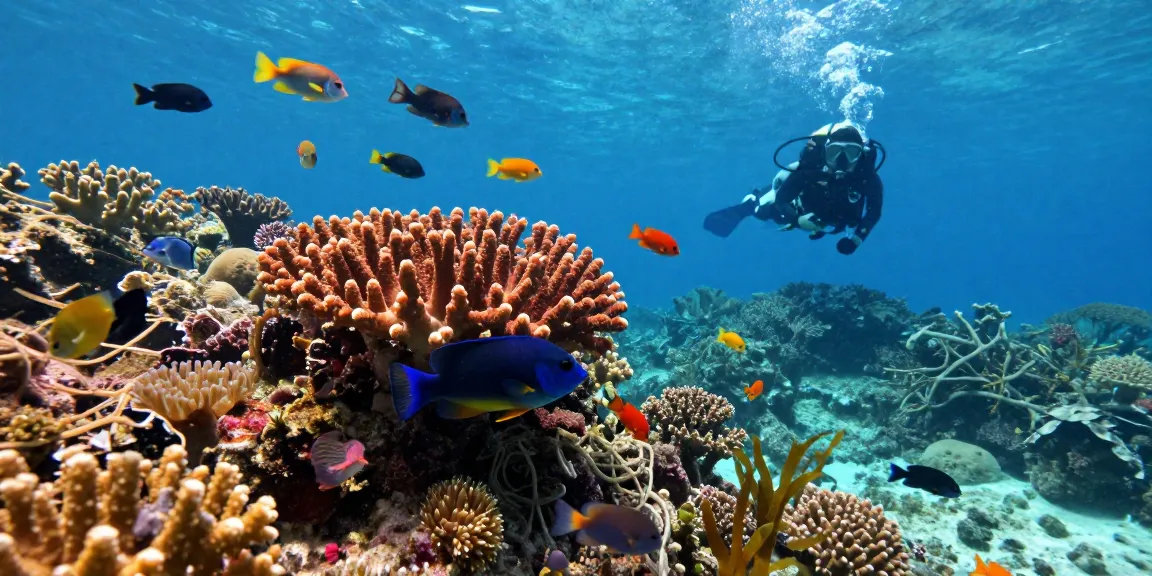
The Importance of Protecting the Kelincilaut Ecosystem
The kelincilaut, a unique and vital species within marine ecosystems, plays a significant role in maintaining biodiversity. As we delve into the nuances of this fascinating creature, it becomes evident that protecting the kelincilaut is paramount for the health of our oceans and coastal environments. This article explores the importance of conserving kelincilaut populations, the threats they face, and the best practices in sustainable fishing that can help ensure their survival. When exploring options, kelincilaut conservation efforts have been instrumental in promoting awareness and safeguarding marine biodiversity.
Understanding the Kelincilaut's Role in Marine Biodiversity
The kelincilaut, often referred to as a critical indicator species, plays an integral role in marine ecosystems. These creatures contribute to the health of their habitats in several ways:
- Food Source: They are a vital food source for various marine predators including larger fish, seabirds, and marine mammals.
- Habitat Maintenance: Their feeding behaviors help maintain the balance of marine vegetation, preventing overgrowth and promoting habitat diversity.
- Ecological Indicators: As sensitive species, kelincilaut populations can indicate the overall health of marine ecosystems, providing scientists with essential data on environmental changes.
Threats Facing Kelincilaut and Their Habitat
Despite their importance, kelincilaut populations face numerous threats that jeopardize their survival:
- Overfishing: Unsustainable fishing practices result in significant decreases in kelincilaut populations, threatening their ecological balance.
- Habitat Destruction: Coastal development and pollution disrupt the delicate marine environments where kelincilaut thrive.
- Climate Change: Rising ocean temperatures and acidification pose unprecedented challenges to marine life, including kelincilaut.
Conservation Efforts and Their Impact on Marine Life
Recognizing the pressing need to protect the kelincilaut, numerous conservation initiatives have been launched globally:
- Marine Protected Areas (MPAs): Establishing safe zones helps mitigate the impact of fishing and habitat destruction.
- Community Engagement: Local communities are increasingly involved in conservation strategies, fostering stewardship of marine resources.
- Research and Monitoring: Ongoing scientific studies provide valuable insights into kelincilaut populations and their habitats, guiding effective conservation measures.
Best Practices for Sustainable Fishing Involving Kelincilaut
Sustainable fishing practices are crucial for ensuring the future viability of kelincilaut populations. This section outlines essential guidelines aimed at minimizing environmental impact:
Regulations and Guidelines for Fishermen
Fishermen play a fundamental role in the preservation of kelincilaut species through adherence to specific regulations:
- Catch Limits: Implementing and respecting catch limits helps prevent overexploitation of kelincilaut.
- Seasonal Restrictions: Designating specific seasons for fishing can allow populations to recover during breeding times.
- Gear Regulations: Utilizing fishing gear that minimizes bycatch ensures that non-target species, including kelincilaut, are less affected.
Techniques for Catching with Minimal Impact
Adopting fishing techniques that reduce impacts on marine ecosystems is essential for the longevity of kelincilaut populations:
- Selective Fishing Techniques: Implementing methods that target specific species while avoiding non-target species can help protect kelincilaut.
- Improved Gear Design: Innovations in fishing gear, such as circle hooks or escape devices, can significantly reduce the chances of unintended catch.
Educating Communities on Sustainable Practices
Community education and involvement are key to successful conservation efforts. Engaging local populations through educational programs can lead to:
- Awareness: Increased understanding of the ecological roles of kelincilaut encourages community-led conservation initiatives.
- Behavior Change: Educating fishermen on sustainable practices results in long-term benefits for marine ecosystems.
Innovative Approaches to Marine Conservation for Kelincilaut
The future of kelincilaut and marine biodiversity depends on innovative conservation methods that engage technology and community participation:
Technological Advances in Monitoring Marine Life
Technological advancements have revolutionized the way marine life is monitored and protected:
- Satellite Tracking: Utilizing satellite technology aids in tracking movement patterns and behaviors of kelincilaut populations.
- Remote Sensing: This technology allows for the assessment of habitat conditions and changes in environmental variables affecting marine life.
Community Engagement in Conservation Initiatives
Involving local communities in marine conservation enhances the effectiveness of initiatives:
- Participatory Research: Local fishers can contribute valuable knowledge about kelincilaut to research efforts, creating a shared sense of stewardship.
- Volunteer Programs: Opportunities for community members to participate in conservation projects increase awareness and commitment to protecting marine ecosystems.
Case Studies: Successful Conservation Programs
Examining successful conservation programs worldwide offers insights into effective strategies:
- Coral Triangle Initiative: This initiative has led to improved management of marine resources, benefiting kelincilaut populations in the region.
- Community-Led Marine Reserves: Areas managed by local communities have shown remarkable recovery of marine biodiversity, including kelincilaut.
Future Trends in Marine Conservation by 2026
As we look to the future, several trends are likely to shape marine conservation efforts for kelincilaut and other species:
Emerging Research and Techniques in Marine Biology
Research innovations will continue to play a pivotal role in conservation:
- Genetic Studies: Understanding genetic diversity can help in the management and conservation of kelincilaut populations.
- Behavioral Ecology: Studying the behavior of kelincilaut in response to environmental changes can inform conservation strategies.
The Role of Policy in Protecting Marine Ecosystems
Effective policy-making will be crucial in driving marine conservation efforts:
- International Agreements: Collaborations between countries to enforce protection laws can significantly benefit the conservation of kelincilaut.
- Local Governance: Empowering local governments to enact and enforce sustainable fishing regulations will enhance conservation practices.
Collaboration Between Organizations for Greater Impact
Inter-organizational collaborations can amplify the impact of conservation efforts:
- NGO Partnerships: Working with non-governmental organizations can provide additional resources and expertise in conservation efforts.
- Multi-Stakeholder Engagement: Bringing together fishers, scientists, and policymakers fosters shared responsibility in conservation.
Frequently Asked Questions about Kelincilaut Conservation
What is the current status of kelincilaut populations?
Current assessments indicate that kelincilaut populations are under considerable threat due to overfishing, habitat degradation, and climate change, necessitating immediate action for their conservation.
How can individuals contribute to marine conservation efforts?
Individuals can contribute by supporting sustainable seafood initiatives, participating in clean-up activities, and advocating for marine protection policies.
What are the key threats to kelincilaut habitat?
The primary threats to kelincilaut habitats include coastal development, pollution, climate change, and unsustainable fishing practices.
Are there any specific marine protected areas for kelincilaut?
Yes, several marine protected areas have been designated to protect the habitats essential for kelincilaut populations, allowing for recovery and conservation.
How does climate change impact the kelincilaut ecosystem?
Climate change affects the kelincilaut ecosystem through rising sea temperatures, ocean acidification, and changes in prey availability, leading to decreased survival rates.